Bed Frames Explained: Materials, Support, and What Actually Lasts
A bed frame is easy to treat as an afterthought next to the mattress, but it quietly decides how well you sleep and how long the whole setup lasts. A poor frame sags, creaks at every turn, and lets a good mattress fail early; a solid one disappears beneath you and holds firm for a decade or more. The choices come down to material, the support underneath, and a few build details that are easy to check once you know what you are looking at. Here is a plain-English guide to what actually matters.
What a bed frame really has to do
Beneath the styling, a frame has three jobs: hold your weight and the mattress without flexing, support the mattress evenly so it wears properly, and stay quiet and stable through years of nightly movement. Most frame complaints, sagging, creaking, a mattress that dips in the middle, trace back to one of these failing. Keeping them in mind cuts through the marketing and helps you judge any frame on what counts.
The main materials, honestly compared
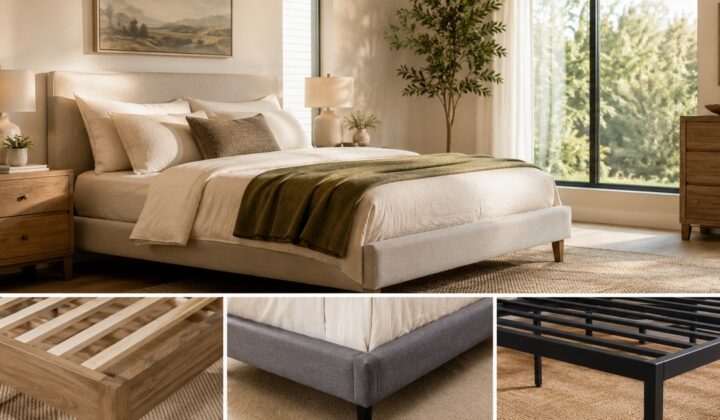
Wooden frames
Solid wood is the classic choice for good reason: it is strong, repairable, and ages well, and a well-built solid-wood frame can outlast several mattresses. The trade-off is weight and price. Engineered wood costs less and looks similar but is weaker at the joints and less forgiving if it gets damp or is assembled and dismantled often. For the full picture of how these differ, see our comparison of solid wood, engineered wood, and metal.
Metal frames
Metal frames are light, affordable, and sturdy, and they suit a modern or industrial look. The thing to watch is noise: cheaper metal frames are the usual culprits behind that maddening squeak, which comes from joints rubbing as you move. A well-made metal frame with tight, properly fixed joints stays quiet, so check the build rather than assuming all metal squeaks.
Upholstered frames
Padded, fabric-covered frames look soft and inviting and are comfortable to lean against in bed. They hide a wooden or metal structure underneath, so the real quality is in that frame, not the padding. The downsides are cleaning, fabric attracts dust and is harder to wipe down, and that a damaged cover is awkward to repair.
Slats, support, and the bit that creaks
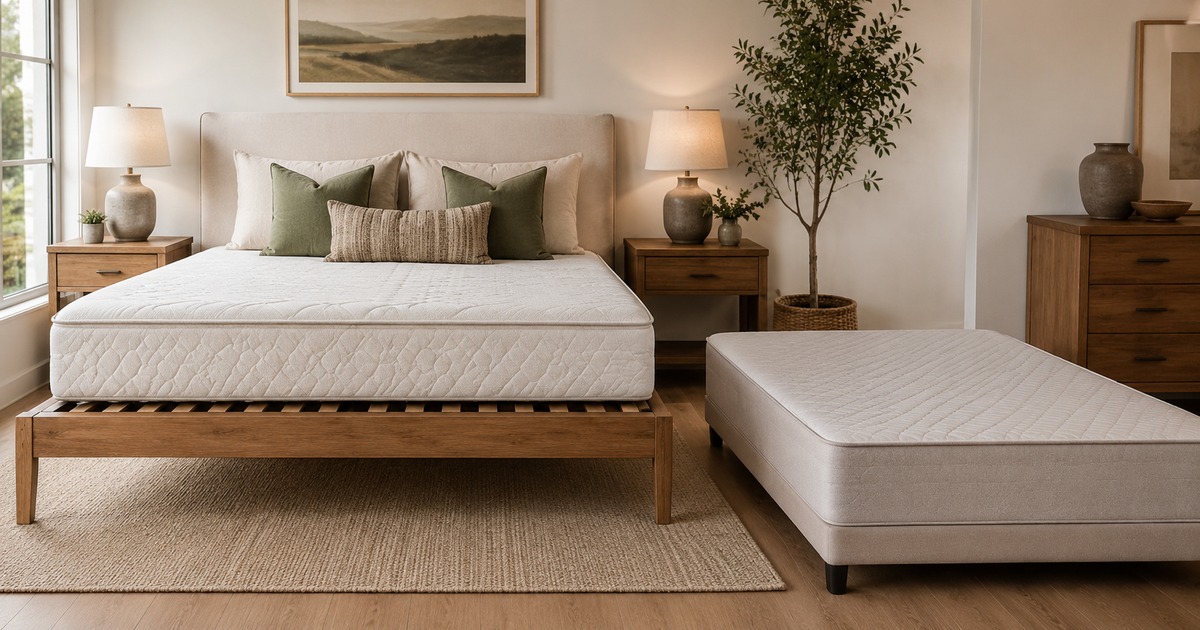
The support system under the mattress matters as much as the frame itself. Most frames use slats, and the gap between them is the detail people miss: slats spaced too far apart let a mattress sag between them and can void a mattress warranty, while closely spaced, sturdy slats support it evenly. Solid platform bases give firm, even support and suit foam mattresses especially well. Whatever the system, a central support leg on larger sizes stops the dreaded middle sag.
This is also where the relationship between frame and mattress gets important. Your mattress has its own support needs, and getting the base wrong can ruin a good mattress, which is why it is worth reading our guide to bed bases and whether you need a box spring before you buy.
Size and the room around it
Pick the largest bed your room can comfortably take while leaving space to walk around it and open doors and drawers. A common mistake is buying the biggest bed that physically fits, then living with a room you have to edge around. Measure the floor, mark the frame’s footprint, and remember headboards and storage frames add length and depth beyond the mattress size. If storage is a priority, a storage bed can reclaim the space under the mattress instead.
Headboards and the details that finish a bed
A headboard is partly practical and partly the thing that makes a bed look finished. Practically, it stops pillows sliding into the gap behind the bed, protects the wall from scuffs and head-grease, and gives you something to lean against to read. A padded or upholstered headboard is comfortable for sitting up in bed but needs occasional cleaning, while a wooden or metal one is lower-maintenance but harder to lean on. If you read or watch in bed, this is not just decoration; it is daily comfort.
The smaller details separate a frame that ages gracefully from one that annoys you within months. Check that any feet are sturdy and protected with pads so they do not scratch the floor, that the headboard is firmly fixed rather than rattling, and that the frame assembles with proper fittings you can later tighten. On a bed, the boring details, joints, slats, fixings, matter far more than the styling, because they are what you live with every single night.
Signs of a frame that will last
- A solid, rigid feel with no flex or wobble when you press and lean on it.
- Joints that are bolted or screwed, ideally with metal fittings, rather than only glued or stapled.
- Sturdy, closely spaced slats or a solid platform, with a central support leg on double sizes and up.
- No creaks when you climb on and shift your weight, the test most people skip and later regret.
- Clear material descriptions; vague terms like “wood-effect” usually mean engineered board.
Frequently asked questions
How do I stop my bed frame from creaking?
Creaking usually comes from loose joints or slats rubbing. Tighten every bolt and screw, add felt pads or a little wax where slats meet the frame, and make sure the frame sits level on the floor. If a cheap metal frame still squeaks after that, the joints themselves may be the problem, which is why tight, well-fixed joints are worth checking before you buy.
Are wooden or metal bed frames better?
Both can be excellent; it depends on your priorities. Solid wood is strong, repairable, and long-lasting but heavier and pricier. Metal is light, affordable, and sturdy but more prone to squeaking if poorly made. Judge the specific frame’s build quality, tight joints and good support, rather than the material alone.
How far apart should bed slats be?
Closely spaced, sturdy slats support a mattress best and help it last; slats spaced too far apart let the mattress sag between them and can void its warranty. Many mattress makers specify a maximum gap, so check both the frame’s slat spacing and your mattress’s requirements, and add extra slats or a solid base if the gaps are too wide.
Do I need a headboard?
Not strictly, but it serves real purposes: it stops pillows slipping into the gap behind the bed, protects the wall, and gives you something to lean against when sitting up. If you read or watch in bed, a comfortable headboard is worth having. If you never lean back and want a minimal look, you can skip it without any practical downside.

Written by Ankita Roy
Furniture buying editor focused on practical room planning, material checks, and clear decision guidance.
Related furniture guides
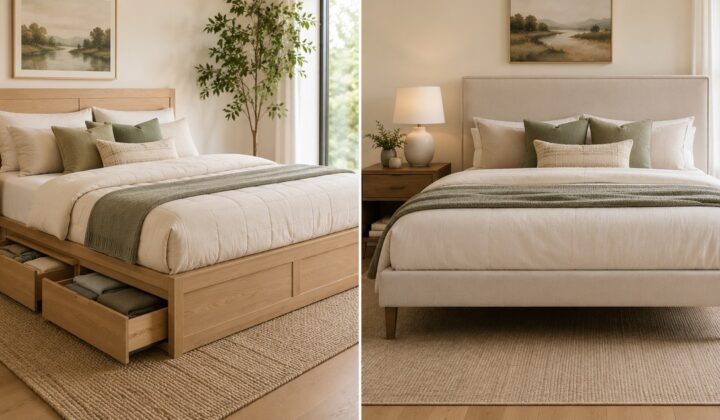
Storage Beds vs Standard Beds: An Honest, Real-World Comparison
Storage beds free up space but aren't for everyone. A real-world comparison of storage and standard beds to help you decide which…
Do You Really Need a Box Spring? Bed Bases and Support Explained
Box spring, slats, platform, or foundation? What each bed base actually does, what your mattress needs, and how to avoid wrecking your…
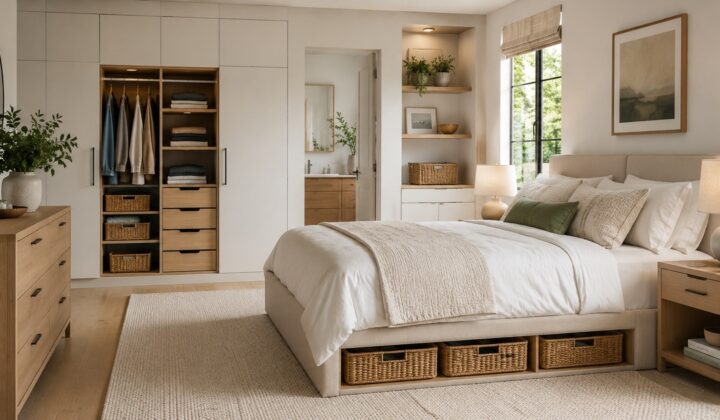
How to Plan Bedroom Storage That Actually Works
Stop fighting your closet. How to plan wardrobes and bedroom storage around what you really own, from layout and doors to making…