How to Choose a Sofa for Your Space and the Way You Live
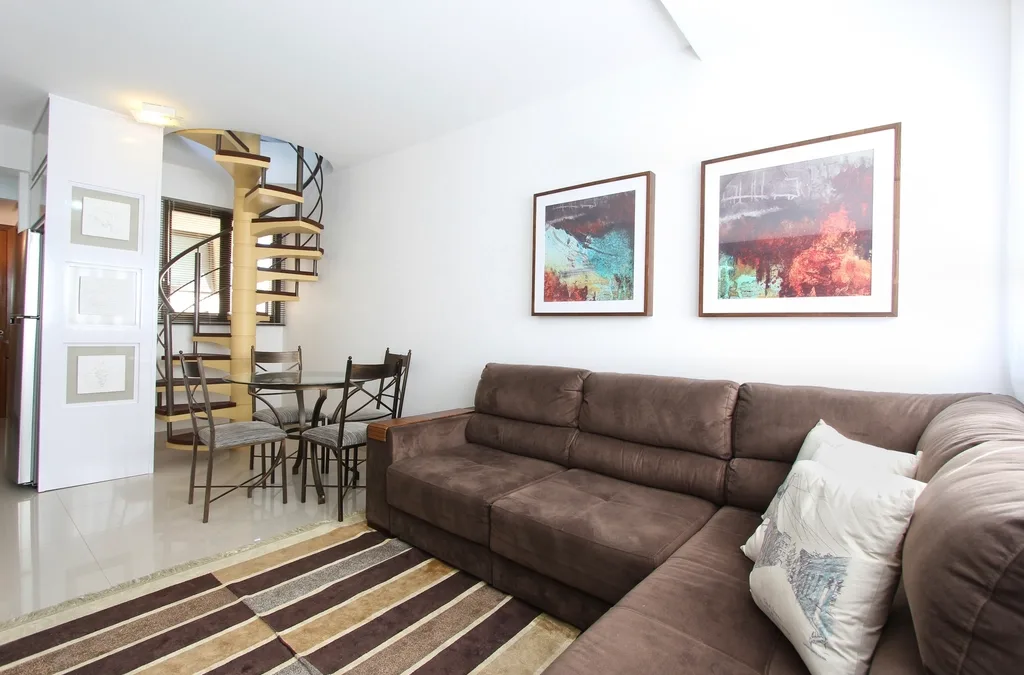
Choose a sofa by three numbers before you look at a single photo: the wall it sits against (the sofa should take up no more than two-thirds of it), the walkway you must keep clear (at least 90 cm / 36 in on a main route, 45 cm / 18 in between sofa and coffee table), and the seat depth that suits how you sit (53 to 56 cm / 21 to 22 in for upright sitting, 60 cm / 24 in or more for lounging). Get those right and the style, fabric and price decisions all get easier, because half the options are already ruled out. For a bedroom rather than a living room, see sofa and chair ideas for bedrooms. Chesterfield, Lawson, camelback: see traditional sofa styles explained.
Are loveseats better than sofas for small rooms?
Usually no, unless the wall is under 2 metres. A loveseat is 130 to 165 cm (52 to 65 in) wide and seats two; a standard three-seat sofa is 180 to 230 cm (72 to 90 in). The problem is that a loveseat saves 50 to 70 cm of width but loses a full seat, and most of its depth is the same as a sofa’s, so the floor area saved is smaller than it looks. For walls between 2 and 2.5 metres, an “apartment sofa” at 170 to 200 cm (68 to 80 in) is the better compromise: it seats three at a squeeze and keeps the two-thirds rule. Go for a loveseat when the wall is genuinely short, when the room must also hold a dining table, or when you will pair it with two armchairs rather than trying to seat everyone on one piece.
| Type | Width | Depth | Seats | Minimum wall length (two-thirds rule) |
|---|---|---|---|---|
| Loveseat | 130 to 165 cm (52 to 65 in) | 85 to 100 cm (34 to 40 in) | 2 | 195 to 250 cm |
| Apartment sofa | 170 to 200 cm (68 to 80 in) | 85 to 95 cm (34 to 38 in) | 2 to 3 | 255 to 300 cm |
| Standard sofa | 180 to 230 cm (72 to 90 in) | 90 to 100 cm (35 to 40 in) | 3 | 270 to 345 cm |
| Narrow-depth sofa | 180 to 220 cm | 75 to 85 cm (30 to 33 in) | 3 | 270 to 330 cm |
| Small sectional (L-shape) | 220 to 260 cm each way | 90 to 100 cm | 4 to 5 | Two walls of 3 m or more |
Measurements are typical retail ranges; always check the specific model, because “loveseat” and “apartment sofa” are not standardised terms and overlap at the edges. If depth is the real constraint rather than width, a narrow-depth sofa keeps three seats and gives back 15 to 20 cm of floor. If width is the constraint and you still want to seat more than two, a small sectional along two walls often fits a room that a three-seater plus chairs does not.
The clearances that decide whether a sofa fits
| Gap | Minimum | Comfortable |
|---|---|---|
| Main walkway past the sofa | 75 cm (30 in) | 90 cm (36 in) |
| Sofa to coffee table | 35 cm (14 in) | 45 cm (18 in) |
| Sofa to TV (for a 55 in screen) | 2.1 m (7 ft) | 2.4 m (8 ft) |
| Between facing sofas or sofa and chairs | 1 m (3.5 ft) | 1.2 to 2.4 m (4 to 8 ft) |
| Doorway or stairwell to get it in | Sofa depth or diagonal height, whichever is smaller, plus 5 cm | See the measuring guide |
Measure first, fall in love second
The most common sofa regret has nothing to do with looks; it is size. A sofa that looked modest in a vast showroom can swallow a normal living room, and one that seemed huge online can leave a big room feeling sparse. Before you browse, measure the wall the sofa will sit against, the clear floor space in front of it, and crucially the route it has to travel to get there: doorways, hallway turns, stairwells, and the lift if you are in an apartment.
Mark the sofa’s footprint on the floor with tape so you can see how much room it really takes and whether you can still walk around it comfortably. A surprising number of returns happen not because the sofa is wrong but because it physically will not come through the front door.
Let your daily life decide the shape
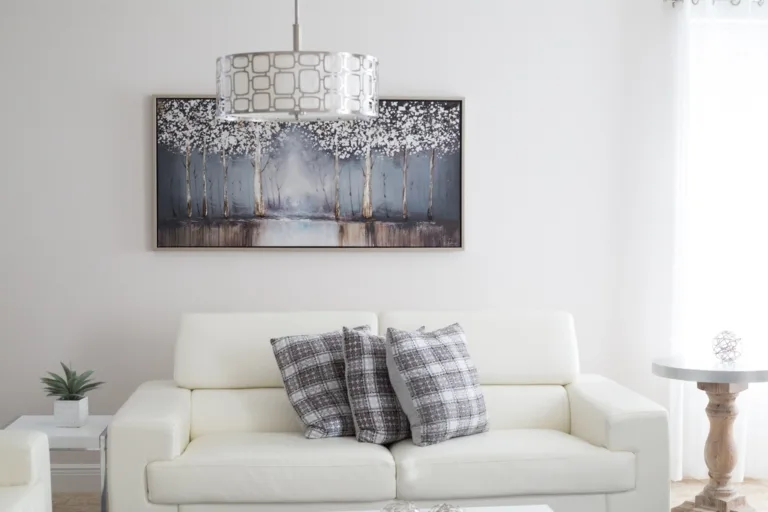
Think honestly about how the sofa will be used, because that should drive the design more than any trend. A couple who likes to stretch out and watch films wants something deep and loungeable; a household that entertains wants more upright seats for more people; a family with young children and pets wants durability and washability above all.
- If you lounge and nap, look for a deeper seat and softer back cushions you can sink into.
- If you sit upright to read or chat, a shallower, firmer seat supports you better.
- If space is tight, a two-seater or a compact three-seater keeps the room walkable; if you have an open-plan space, a sectional might suit you better.
- If kids and pets are in the picture, prioritise removable, washable covers and tough fabric over delicate finishes.
Comfort is personal, so test it properly
Comfort is the whole point of a sofa, and it is also the hardest thing to judge from a screen. Seat depth, cushion firmness, and back height all matter, and they affect different bodies differently. A seat that is heavenly for a tall person can leave a shorter one perched with their feet dangling. If you can, sit on it the way you actually sit at home, slouch, put your feet up, lie back, rather than perching politely for ten seconds.
Pay attention to the cushion fill too. Foam holds its shape and stays neat but can feel firm; feather and down are luxuriously soft but need regular plumping; a foam core wrapped in feather is a popular middle ground. None is “best”; it depends on whether you value a tidy look or a sink-in feel.
Frame and fabric: where longevity hides
The parts you cannot see decide how long a sofa lasts. A solid hardwood frame is the gold standard and should feel rock-solid with no creaks or wobble when you lean and press on it. Cheaper frames built from softwood or low-grade engineered board can loosen and sag within a few years. Joints that are screwed and dowelled, ideally with corner blocks, outlast joints that are merely stapled or glued.
Fabric is where comfort meets real life. Tightly woven and performance fabrics resist stains and wear far better than loose weaves, which matters enormously with children or pets. Leather is hard-wearing and ages handsomely but is a bigger commitment in cost and care. Whichever you lean toward, our guide to sofa upholstery breaks down how fabric, leather, and performance materials actually wear day to day.
Red flags to watch for
- A frame that creaks, flexes, or wobbles when you press on the arms or lean back.
- Cushions that are not removable, you cannot rotate them to even out wear or wash covers.
- Vague material descriptions like “wood” or “premium fabric” with no specifics.
- A delivery quote that ignores access, measure your doors before you trust “it will fit”.
- A price that seems too good, very cheap sofas usually cut corners on the frame you cannot see.
A simple way to decide
When you have narrowed it down, run each option through three questions: Does it physically fit my room and my doorways? Is it comfortable for the way I actually sit? Is the frame and fabric built to last the years I expect from it? A sofa that passes all three is almost always a better buy than a prettier one that fails any of them. Style matters, but it is the easiest box to tick and the one people wrongly put first. Get the fit, comfort, and build right, and you will still love how it looks years from now.
How much should you really spend?
There is no single right budget, but it helps to think in tiers rather than chasing a price. At the budget end, you can find a perfectly serviceable sofa for a first flat or a spare room, but expect a shorter life and simpler materials. In the mid-range, you start getting hardwood frames, better cushions, and fabrics that survive family life, which is where most people get the best value for a main, everyday sofa. At the high end you are paying for craftsmanship, premium materials, and longevity that can stretch to decades.
The honest way to judge value is cost per year of use, not the sticker price. A cheap sofa replaced twice in five years can cost more, and create more hassle and waste, than one good sofa that lasts fifteen. If this is the seat you will use every day, it is usually worth stretching toward the best frame and fabric you can manage, and saving on the pieces that take less punishment.
Frequently asked questions
Are loveseats better than sofas for small rooms?
Only when the wall is under about 2 metres. A loveseat saves 50 to 70 cm of width but loses a seat and keeps most of the depth, so an apartment-size sofa of 170 to 200 cm is usually the better fit for small rooms with a 2 to 2.5 m wall.
How much of the wall should a sofa take up?
No more than two-thirds of the wall length. A 180 cm sofa therefore wants a wall of at least 270 cm; on a shorter wall it reads as crammed even if it physically fits.
What size sofa should I get for my living room?
Measure your available wall and floor space first, then leave enough clear room to walk around the sofa comfortably, ideally a good arm’s width of walkway. As a rule, a sofa should not dominate the room or block natural paths through it. Taping its footprint on the floor before buying is the simplest way to be sure.
How can I tell if a sofa is well made?
Check the frame by pressing and leaning on it; a quality sofa feels solid with no creaks or flex. Look for a hardwood frame, removable cushions, and joints that are screwed or dowelled rather than only stapled. Tightly woven or performance fabric signals durability, and reputable sellers will tell you the specifics rather than using vague terms.
Is leather or fabric better for a family sofa?
Both can work. Leather wipes clean easily and resists spills but scratches can show and it is pricier. Performance and tightly woven fabrics, especially with removable, washable covers, handle daily family wear and tear very well. The best choice depends on your tolerance for maintenance and the look you want.
Featured image: Rawpixel (CC0 1.0), via Openverse

Written by gautam995576@gmail.com
Furniture buying editor focused on practical room planning, material checks, and clear decision guidance.
Related furniture guides

White and Light Sofas With Kids and Pets: A Survival Guide
Light sofas are not automatically a mistake. Here is how to specify one that survives a family: fabric choices, slipcovers, protection and…
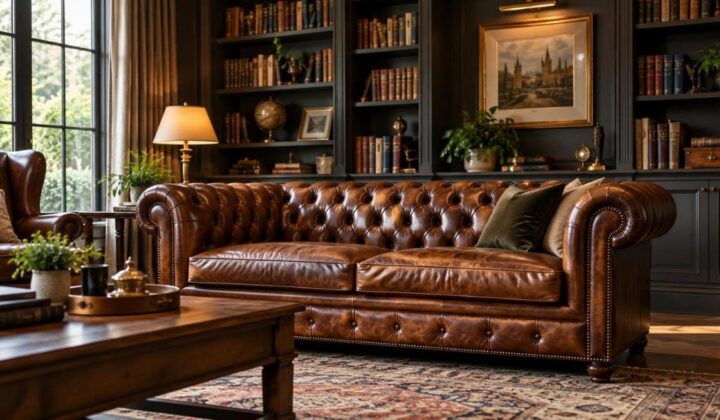
Traditional Sofa Styles Explained: Chesterfield to Camelback
A plain-language guide to the classic sofa silhouettes, where each came from, which rooms they suit, and how to tell a good…

Matching Your Sofa to the Room: A Simple System
A five-step method for choosing a sofa that fits the architecture, light, palette and use of your room, instead of one that…
4 comments