How to Plan Bedroom Storage That Actually Works
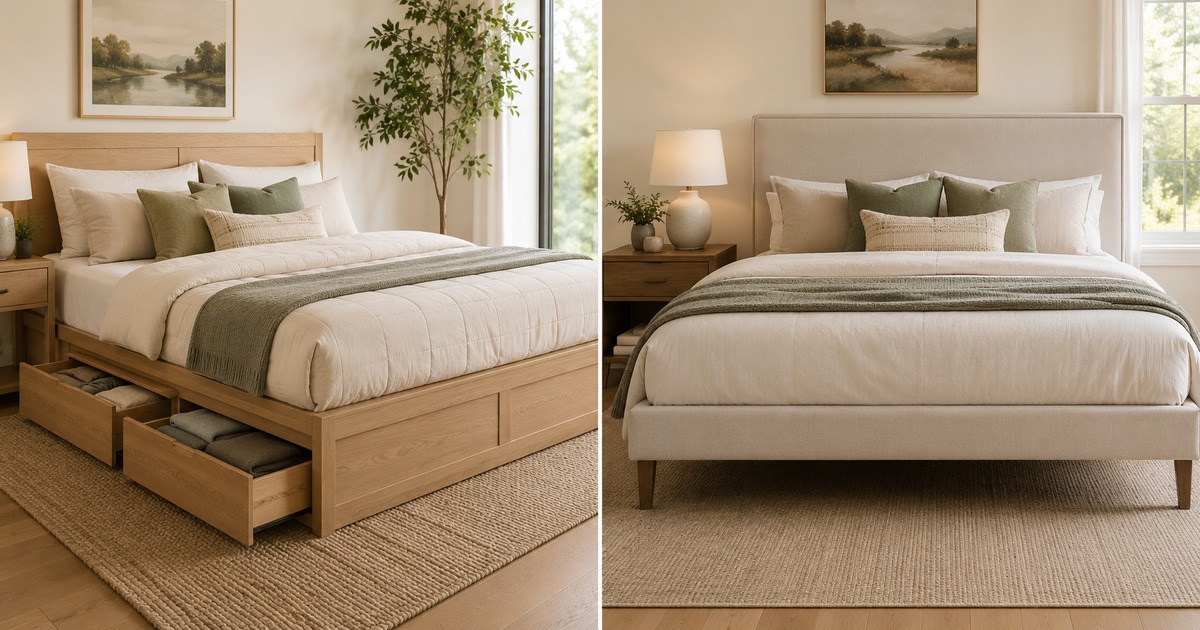
Most bedroom storage fails for the same reason: it is bought to fill a wall rather than to hold what you actually own. You end up with a wardrobe full of shelves when you needed hanging space, or hanging rails when half your clothes are folded. Storage that works starts not with furniture but with an honest look at your stuff and your habits. Get that right and even a small, awkward bedroom can stay tidy; get it wrong and no amount of expensive joinery will keep the floor clear. Here is how to plan it properly.
Start with what you own, not the furniture
Before buying anything, take stock of what actually needs storing and how. Roughly how much hangs versus folds? How many shoes, bags, and bulky items like bedding and luggage? Do you keep out-of-season clothes in the bedroom or elsewhere? This quick audit is the single most useful step, because it tells you the ratio of hanging to shelving to drawers you really need, which is almost never the generic split that furniture comes with.
Wardrobes: layout over looks
Inside the wardrobe, layout beats appearance every time. The classic mistake is one long hanging rail and a shelf above; in reality, most people need a mix. Double-hang shorter items like shirts and folded trousers to use the full height, reserve full-length hanging only for the few long pieces that need it, and add drawers or pull-out shelves for folded clothes that otherwise become a teetering pile. Adjustable internal fittings are worth seeking out, because your needs will change.
For the doors, the choice affects the room as much as the wardrobe. Hinged doors are cheaper and give full access but need clear swing space in front; sliding doors save that floor space, ideal in a tight room, but only ever open half the wardrobe at once. Pick to suit the space you have to spare in front of the unit.
Beyond the wardrobe
A wardrobe rarely solves bedroom storage alone, and the best plans use the whole room cleverly.
- Use the space under the bed, either with a storage bed or simple under-bed boxes, for bedding and seasonal items.
- Add a small chest of drawers or a bedside with drawers for everyday items within reach.
- Go vertical with tall, narrow units or high shelves for things you use rarely.
- Use the back of the door and inside wardrobe doors for shoes, accessories, and small items.
Doors, hinges, and awkward rooms
Awkward bedrooms, sloping ceilings, chimney breasts, tiny box rooms, are where smart planning pays off most. Built-in or made-to-measure storage that follows the room’s shape uses corners and alcoves that freestanding furniture wastes, and fitting storage into the recesses beside a chimney breast or under a sloped ceiling turns dead space into useful capacity. If built-ins are beyond your budget, look for modular units you can combine to fit the space, and choose sliding or narrow doors where swing space is tight.
Editing as you go
Storage is only half the battle; keeping it working is the other half. The tidiest bedrooms are not the ones with the most storage but the ones where the owner regularly edits what they keep. Periodically clearing out what you no longer wear or use stops any storage system from silently overflowing, and it is far cheaper than buying more furniture. If your room is also small, pair good storage with the visual tricks in our guide to making a small bedroom feel bigger, so the space stays calm as well as tidy.
Build a system, not just storage
The bedrooms that stay tidy are not the ones with the most storage but the ones with a simple system that makes tidying effortless. The principle is to give every category of thing one obvious home and to keep the things you use daily within easy reach, while pushing rarely-used items to higher or harder-to-reach spots. When putting something away takes one step rather than three, you actually do it, and the room stays clear without daily effort.
A few habits make any storage plan work harder. Store like with like so you can find things and notice when a category is overflowing. Use containers and drawer dividers to stop small items becoming a jumble. And leave a little empty space in every cupboard and drawer, because storage filled to the brim has nowhere to absorb the normal ebb and flow of daily life. Storage is the furniture; the system is what keeps the room livable, and it costs nothing to set up. In a child’s room, good storage also keeps the floor clear of trip hazards, part of the wider precautions in our guide to kids furniture safety.
Frequently asked questions
How do I plan storage for a small bedroom?
Start by auditing what you own and how it is stored, then prioritise multi-use and vertical solutions: a storage bed or under-bed boxes, tall narrow units, and a wardrobe with an internal layout matched to your hanging-versus-folding needs. Sliding doors save floor space in tight rooms. The aim is storage that fits your belongings, not just the wall.
Should I choose sliding or hinged wardrobe doors?
Sliding doors save the floor space that hinged doors need to swing, making them ideal for small or tight rooms, but they only open half the wardrobe at a time. Hinged doors give full access to the whole interior at once but need clear space in front. Choose based on how much room you have to spare directly in front of the wardrobe.
How can I add storage without built-in furniture?
Use freestanding and modular pieces cleverly: a storage bed or under-bed boxes, a chest of drawers, tall narrow shelving for vertical space, and over-door or inside-door organisers for small items. Modular units can be combined to fit awkward spaces. Regularly editing what you keep also reduces how much storage you actually need.
How do I stop my bedroom getting cluttered again?
Give every category of item one obvious home, keep daily items within easy reach, and edit regularly so things do not silently accumulate. Leave a little empty space in each cupboard and drawer so there is room for everyday ebb and flow. When putting something away takes one easy step, you actually do it, and the room stays tidy with little effort.
Are built-in wardrobes worth it in a small bedroom?
They can be, because made-to-measure storage uses awkward corners, alcoves, and sloped ceilings that freestanding furniture wastes, maximising capacity in a tight room. The downside is cost and that they do not move with you. If built-ins are beyond budget, modular units combined to fit the space, with sliding or narrow doors, achieve much of the same benefit more cheaply.

Written by Adarsh Sharma
Furniture buying editor focused on practical room planning, material checks, and clear decision guidance.
Related furniture guides
Bed Frames Explained: Materials, Support, and What Actually Lasts
What separates a bed frame that lasts from one that creaks in a year: a plain-English look at materials, support, sizing, and…
Storage Beds vs Standard Beds: An Honest, Real-World Comparison
Storage beds free up space but aren't for everyone. A real-world comparison of storage and standard beds to help you decide which…
Do You Really Need a Box Spring? Bed Bases and Support Explained
Box spring, slats, platform, or foundation? What each bed base actually does, what your mattress needs, and how to avoid wrecking your…