Standing Desks: What They Help, What They Don’t, and How to Use One
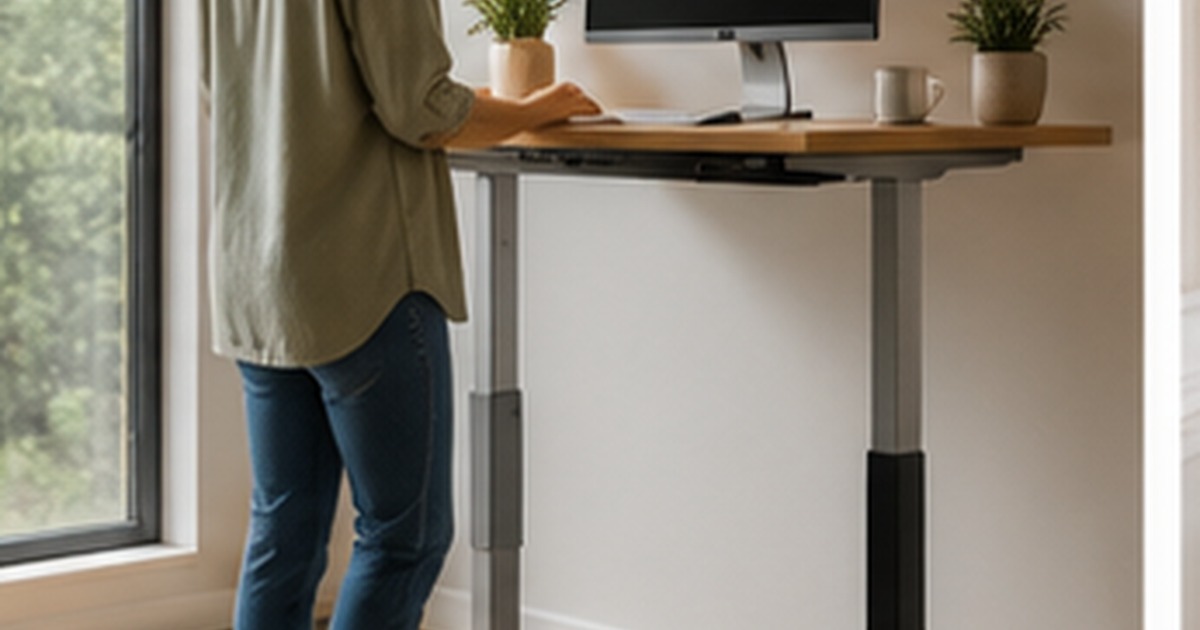
Standing desks went from niche to everywhere, trailing a cloud of bold health claims along the way. Some of those claims are reasonable; others are wishful marketing. The reality is more useful than the hype: a standing desk is a good tool for breaking up long periods of sitting, but it is not a fitness device and standing all day brings its own problems. Used sensibly, alternating between sitting and standing, it can make a real difference to how you feel at a desk. Here is a level-headed look at what they do, what they do not, and how to get the benefit.
What standing desks actually help with
The genuine benefit of a standing desk is simple: it lets you change posture through the day instead of staying locked in a chair for hours, and changing position is one of the best things you can do for your back and energy. Many people find that alternating sitting and standing eases the stiffness and afternoon slump that come from sitting motionless, keeps them a little more alert, and reduces the lower-back ache of a long static day. For anyone who sits for long stretches, that flexibility is the real, defensible advantage.
What they do not do
It is worth being honest about the overblown claims. A standing desk is not exercise; standing burns only marginally more energy than sitting, so it will not meaningfully replace activity or drive weight loss. Nor is standing all day a healthy goal in itself, prolonged standing causes its own aches, foot and leg fatigue, and circulation issues, and simply swapping eight hours of sitting for eight hours of standing trades one problem for another. The benefit comes from the change between the two, not from standing as much as possible.
How to use one well
Getting the benefit is about rhythm, not endurance. A sensible approach is to alternate, standing for a stretch, then sitting, then standing again, rather than forcing long standing sessions.
- Alternate regularly; many people do something like sit for a while, stand for a shorter while, and repeat through the day.
- Set the height correctly for each position: elbows at roughly a right angle, screen top near eye level, whether sitting or standing.
- Stand on a cushioned anti-fatigue mat, which dramatically reduces foot and leg fatigue while standing.
- Wear supportive footwear, or stay barefoot on a soft mat, rather than standing in hard, flat shoes.
- Keep moving even while standing, shifting weight and taking short walks, since standing still is its own strain.
The same ergonomic basics from our guide to office and chair ergonomics still apply, get the screen and arm heights right in both positions, or you simply move your discomfort from one posture to another.
Manual, electric, and what to check
If you decide to buy, the mechanism is the main choice. Manual, crank-adjusted desks are cheaper but slow and effortful to raise and lower, which means people stop bothering to switch. Electric, motorised desks adjust at the touch of a button, which makes you far more likely to actually alternate, and the better ones save preset heights. For an electric desk, the things that matter most are stability (cheap ones wobble at standing height, which is maddening), a smooth quiet motor, and a height range that suits your body. The smart-desk features worth paying for, and the ones to skip, are covered in our guide to smart desks.
Who benefits most
A standing desk is most worthwhile for people who sit for long hours every day and feel the effects, stiffness, back ache, the afternoon energy crash. For them, the ability to change posture easily is a real quality-of-life improvement, provided they use it as a sit-stand tool rather than a standing endurance test. If you already move around a lot during your day, or you only work at a desk occasionally, the benefit is smaller and a good chair plus regular breaks may serve you just as well. As ever, the desk is a tool; the habit of changing position is what actually helps.
Common standing-desk mistakes
A standing desk only helps if you avoid the traps that catch most first-time owners.
- Standing all day to “maximise” the benefit, which just swaps sitting aches for standing aches.
- Setting one height and using it for both sitting and standing, so the ergonomics are wrong in at least one position.
- Standing on a hard floor in flat shoes, which makes the feet and legs tire fast; use a cushioned mat.
- Buying a wobbly budget desk that shakes at standing height, so you stop using the standing mode.
- Forgetting that screen and arm heights must be reset each time you switch between sitting and standing.
Avoid those and the desk earns its place. The point is never to stand as much as possible; it is to move between positions easily, which keeps you comfortable and alert through a long day at the desk.
Frequently asked questions
Are standing desks actually good for you?
They can be, mainly because they let you alternate between sitting and standing instead of sitting motionless for hours, and changing posture is good for your back and energy. They are not exercise and will not drive weight loss, and standing all day is not healthy either. The benefit comes from the variety, so use it as a sit-stand tool, not a standing marathon.
How long should I stand at a standing desk?
There is no fixed rule, but the goal is to alternate regularly rather than stand for long stretches. Many people sit for a while, stand for a shorter period, and repeat through the day, adjusting to comfort. Listen to your body, use an anti-fatigue mat, and sit down before your feet or legs start aching. Frequent changes matter more than total standing time.
Should I get a manual or electric standing desk?
Electric desks adjust at the push of a button, which makes you far more likely to actually switch positions, and the better ones save preset heights, well worth it for daily use. Manual crank desks are cheaper but slow and effortful, so people often stop bothering to adjust them. For an electric desk, prioritise stability, a smooth motor, and a suitable height range.
Will a standing desk help my back pain?
It can help if your pain comes from sitting motionless for long periods, because it lets you change posture during the day. It is not a cure, and standing too much can cause its own aches, so the benefit comes from alternating sitting and standing rather than from standing itself. If you have persistent or significant back pain, it is worth seeking proper medical advice rather than relying on a desk alone.

Written by Adarsh Sharma
Furniture buying editor focused on practical room planning, material checks, and clear decision guidance.
Related furniture guides
How to Sit Comfortably All Day: Office Chair and Desk Ergonomics
Back ache by 3pm? A practical guide to office ergonomics: how to set up your chair, desk, and screen, and what matters…
How to Set Up a Home Office in a Small Space
No spare room? How to build a comfortable, productive home office in a corner, closet, or shared room, with realistic choices for…

How to Build a Comfortable Gaming Setup That Lasts
Beyond the RGB: how to build a gaming setup that is actually comfortable for long sessions, covering desk, chair, posture, screen height,…