How to Plan a Room Layout Before You Buy Any Furniture
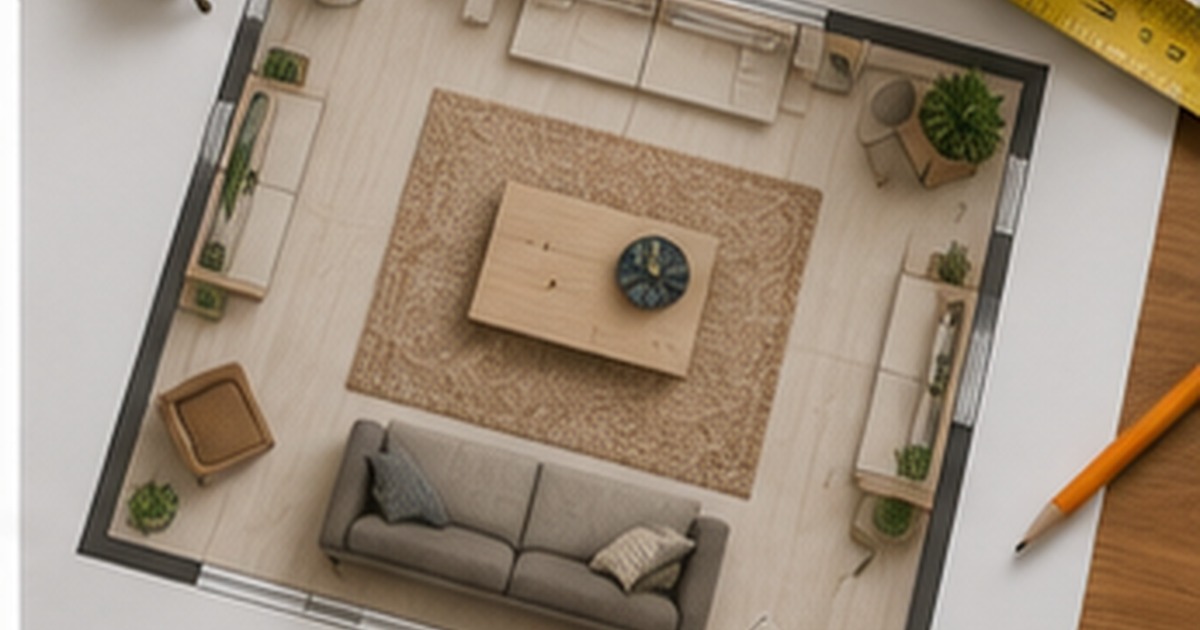
The difference between a room that flows and one that feels awkward is usually not the furniture itself but how it is arranged, and the best time to work that out is before you buy anything. Planning a layout on paper costs nothing, takes half an hour, and prevents the expensive, deflating experience of furniture that does not fit or a room you have to edge around. It is the single most useful habit in furnishing a home, and you do not need design training to do it. Here is how to plan a room layout properly, so everything you buy fits and the finished room actually works.
Measure the whole room
Start with accurate measurements, because everything else builds on them. Measure the length and width of the room, then note the things that constrain where furniture can go: the position and size of doors and the space they need to swing, windows, radiators, power sockets and switches, and any alcoves, chimney breasts, or sloped ceilings. Sketch the room roughly to scale on paper or graph paper, marking all of these. This map is the foundation; a layout planned without it is just guesswork that tends to ignore the door you cannot block or the radiator you cannot cover.
Map how people move through it
A room is not just a space to fill; it is a space people move through, and ignoring that is how layouts go wrong. On your sketch, draw the natural paths, from the door to the seats, to the window, between rooms in an open plan, and keep these walkways clear. People need room to pass without squeezing or detouring, so a layout that looks balanced on paper but blocks the route from the door to the sofa will feel wrong the moment you live in it. Protecting the traffic flow is especially critical in small spaces, as our guide to furnishing a small apartment shows.
Test furniture sizes on paper
This is where planning saves real money. Before buying, work out the dimensions of the furniture you are considering and test them against your scaled plan.
- Cut out paper shapes to scale for each piece, or sketch them on your plan, and move them around to try arrangements.
- Better still, mark the actual footprints on the floor with tape, including space for chairs to pull out and doors and drawers to open.
- Leave clear walkways, roughly an arm’s length, around and between pieces.
- Check that the scale works: one oversized piece can throw a whole room off, while too-small pieces look lost.
Testing sizes this way reveals problems while they are still free to fix, long before delivery day.
Think about focal points and balance
A well-arranged room usually has a clear focal point, a fireplace, a window with a view, the television, and the main furniture relates to it rather than fighting it. Arrange seating to face or frame the focal point, and aim for a sense of balance so the visual weight is spread around the room rather than all crammed into one corner. You do not need symmetry, but a room where everything is bunched on one side feels off. Thinking about this on paper helps you place the big pieces, the sofa, the bed, the table, where they anchor the room well, which is the starting point of choosing them in guides like our sofa guide.
Common layout traps
A few recurring traps catch people even after measuring. Pushing all the furniture against the walls in the belief it creates space often just leaves an awkward empty middle and a perimeter of furniture; floating seating a little off the walls can feel more intentional and sociable. Blocking natural light or a window with a tall piece makes a room feel smaller and darker. And buying before planning, the cardinal sin, leads to the regrets in our guide to furniture mistakes to avoid. Plan first, test on paper or with tape, protect the walkways and the light, and the room you imagine is the room you will get.
Adapting the approach to different rooms
The same planning method bends to fit any room, with a different priority in each. In a living room, the seating and its relationship to the focal point and to conversation come first, so people can see each other and the screen or fire without craning. In a bedroom, the bed is the anchor and everything works around access to it and to wardrobes and drawers. In a dining room, clearance around the table for chairs and passing is the make-or-break dimension.
In every case the steps are the same, measure, map the paths, test the sizes, plan around a focal point, but knowing the one thing that matters most in each room helps you prioritise when space is tight and compromises are needed. Start the plan from that key requirement, and the rest of the layout tends to fall into place around it, whatever the room is for.
Frequently asked questions
How do I plan a room layout before buying furniture?
Measure the room and note doors, windows, radiators, sockets, and alcoves, then sketch it to scale. Map the natural walkways and keep them clear, and test furniture sizes against the plan using scaled paper shapes or by marking footprints on the floor with tape. Plan around a focal point, leave clear paths, and check the scale before buying anything.
How much space should I leave for walkways?
Leave roughly an arm’s length, around a metre where you can, for main walkways and around furniture, so people can pass comfortably and chairs can pull out. Tighter gaps feel cramped and make a room awkward to move through. In small spaces you may compromise a little, but protecting the main paths from the door through the room is what keeps it feeling usable.
Should furniture go against the walls?
Not always. Pushing everything against the walls often leaves an awkward empty middle rather than creating space. Floating seating slightly off the walls, grouped around a focal point, frequently feels more intentional, sociable, and balanced. The goal is clear walkways and a well-anchored arrangement, not simply maximising the open floor in the centre, so experiment on your plan before deciding.
Are there apps to help plan a room layout?
Yes, plenty of free and paid room-planning apps and online tools let you enter your room dimensions and drag furniture around to scale, which is handy for visualising arrangements. They are useful, but a paper sketch or marking footprints on the floor with tape works just as well and accounts for the real space better. Whichever you use, accurate measurements are what make the plan reliable.

Written by Ankita Roy
Furniture buying editor focused on practical room planning, material checks, and clear decision guidance.
Related furniture guides
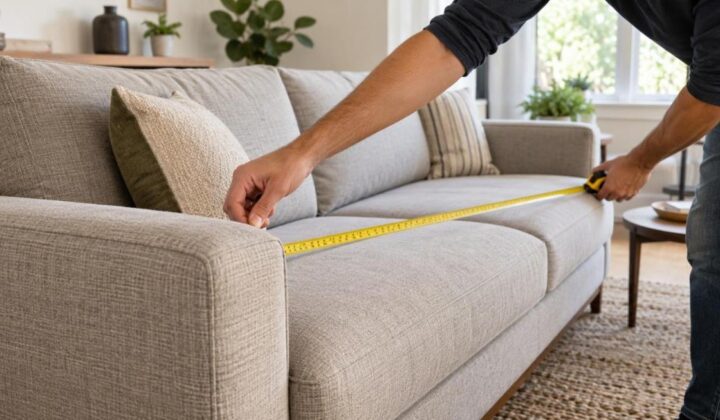
Sofa Dimensions Guide: Measuring Properly Before You Buy
Every measurement that matters: overall size, seat height and depth, arm height, diagonal depth for doorways, and the clearances a room needs…
Good Sofas Under $1000: What You Can Reasonably Expect
What a budget actually buys at this price, which corners get cut, the specifications that separate a three-year sofa from a ten-year…

Sofa Fabric Guide: Materials That Survive Real Life
Performance polyester, linen, velvet, chenille, leather and bouclé compared on durability, cleanability, pet resistance and how each one ages.