Sofa Upholstery Explained: Fabric, Leather, and Performance Materials
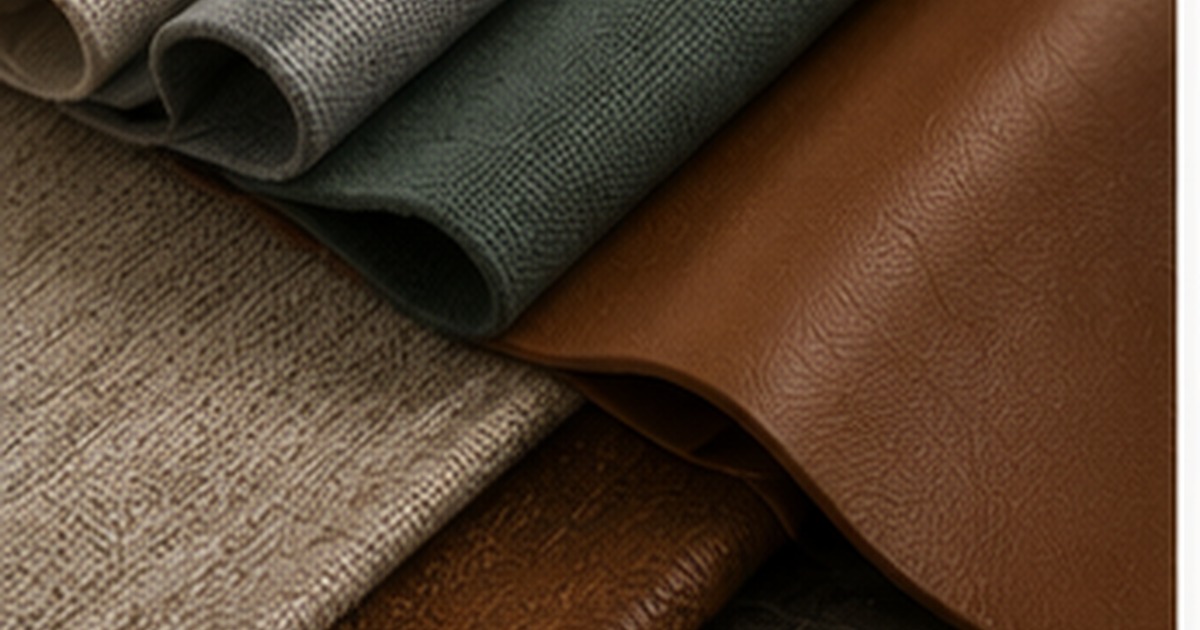
When people choose a sofa, they obsess over the colour and shape and barely think about the upholstery, yet the covering is what you touch every day and what decides how the sofa copes with kids, pets, spills, and years of use. The same sofa in the wrong material can look tired within a year; in the right one, it shrugs off daily life. Fabric, leather, and modern performance materials each behave very differently, and matching the upholstery to your household is one of the most important and most overlooked sofa decisions. Here is what you need to know about each.
Why upholstery matters more than looks
Upholstery is not just the surface appearance; it determines durability, comfort, maintenance, and how well the sofa survives your particular life. A material that suits a quiet adult household may be a daily battle with toddlers and a shedding dog, and a fabric that feels wonderful may be a magnet for stains. Before falling for a look, think honestly about who and what will use the sofa, then choose the covering accordingly, the same life-first logic in our guide to choosing a sofa. The right upholstery is the difference between a sofa you relax on and one you are forever protecting.
Fabric
Fabric upholstery is the most varied and popular choice, offering huge range in colour, texture, and price, and a soft, warm, inviting feel. The crucial detail is the weave and durability: tightly woven, hard-wearing fabrics resist wear and pilling far better than loose, delicate weaves, which matters enormously with daily use. Natural fibres like cotton and linen are breathable and lovely but stain and crease more easily; synthetics and blends are generally tougher and easier to clean. Removable, washable covers are a real advantage with children and pets. Fabric’s weakness is that it can absorb spills and odours, so stain resistance and cleanability are worth prioritising in a busy home.
Leather
Leather is durable, ages handsomely, and is easy to wipe clean, which makes it a strong choice for many households, spills sit on the surface rather than soaking in. Good leather can last decades and develops an attractive patina over time. The trade-offs are a higher price, a cooler, firmer feel that some love and others do not, and that it can scratch, which may matter with cats or boisterous pets, though minor marks often blend into the patina. It also needs occasional conditioning to avoid drying and cracking. Be aware that “leather” spans full grain down to heavily coated or bonded types, which vary greatly in quality and lifespan, so check what you are actually buying.
Performance fabrics
Performance fabrics are engineered specifically to handle real life, and they have become the go-to for families and pet owners.
- They are designed to resist stains, water, fading, and wear, so spills bead up and wipe away rather than soaking in.
- They typically clean easily, often with just water or mild soap, which is a genuine relief with children and pets.
- Modern versions feel soft and look good, shedding the old reputation of “tough fabric” being scratchy or plasticky.
- They cost more than basic fabric, but the durability and easy cleaning often justify it in a busy home.
For households where the sofa takes a daily beating, a quality performance fabric is frequently the most practical choice of all, combining the comfort of fabric with much of the wipe-clean ease of leather.
Matching upholstery to your life and caring for it
The right choice comes down to your household and habits. Busy family homes with children and pets are usually happiest with performance fabrics or leather for their stain resistance and easy cleaning, while removable washable covers add insurance. Quieter adult households can enjoy the broader range and feel of natural fabrics with less worry. Whatever you choose, a little care goes a long way: deal with spills promptly, vacuum and rotate cushions to even out wear, follow the cleaning code for the material, and condition leather occasionally. This everyday care, the same principle behind keeping any furniture looking new, is what makes a sofa last, and it is worth confirming the upholstery suits a comfort piece like a recliner too, where the covering takes constant contact.
Reading the cleaning code
One small detail saves a lot of sofa heartache: the upholstery cleaning code, usually a letter on the label that tells you how the fabric should be cleaned. It is worth checking before you buy and certainly before you tackle a spill, because using the wrong method, water on a fabric that should only be solvent-cleaned, for instance, can leave permanent marks worse than the original stain. Knowing the code turns a panicked scrub into a calm, correct response.
In practice, the safe routine for any upholstery is the same: act on spills quickly by blotting rather than rubbing, which pushes the stain in; test any cleaner on a hidden patch first; and follow the material’s recommended method rather than reaching for whatever is under the sink. For leather, that means the occasional appropriate conditioner and avoiding harsh chemicals; for fabrics, the code is your guide. A few minutes understanding how to clean your particular sofa is what keeps it looking good for years rather than seasons.
Frequently asked questions
What is the best sofa material for families with kids and pets?
Performance fabrics and leather are usually best, because both resist stains and wipe clean easily, performance fabric shrugs off spills and washes with mild soap, while leather wipes down and ages well, though it can scratch with pets. Removable, washable covers add further protection on fabric sofas. Tightly woven, durable materials matter most; delicate loose weaves and natural fibres stain and wear faster in a busy home.
Is leather or fabric better for a sofa?
Neither is universally better. Leather is durable, wipes clean, and ages handsomely but costs more, can feel cool and firm, and may scratch. Fabric offers more colours, textures, and a softer, warmer feel, with washable covers available, but can absorb spills unless it is stain-resistant. The right choice depends on your household, maintenance appetite, and the feel you want, so match it to how you actually live.
What is performance fabric and is it worth it?
Performance fabric is engineered to resist stains, water, fading, and wear, so spills bead up and wipe away and it cleans easily, often with just water or mild soap. Modern versions feel soft and look good rather than tough and plasticky. It costs more than basic fabric, but for families and pet owners the durability and easy cleaning usually make it well worth the premium.

Written by Ankita Roy
Furniture buying editor focused on practical room planning, material checks, and clear decision guidance.
Related furniture guides
Sofa Fabric Guide: Materials That Survive Real Life
Performance polyester, linen, velvet, chenille, leather and bouclé compared on durability, cleanability, pet resistance and how each one ages.
How to Buy Furniture More Sustainably (Without the Greenwashing)
What sustainable furniture really means, which certifications are worth trusting, and how buying for durability beats chasing eco labels that don't mean…
Solid Wood, Engineered Wood, or Metal? An Honest Comparison
Solid wood, engineered wood, or metal: how each really performs for strength, looks, cost, and lifespan, so you can match the material…