How to Spot Well-Made Furniture (and Avoid the Junk)
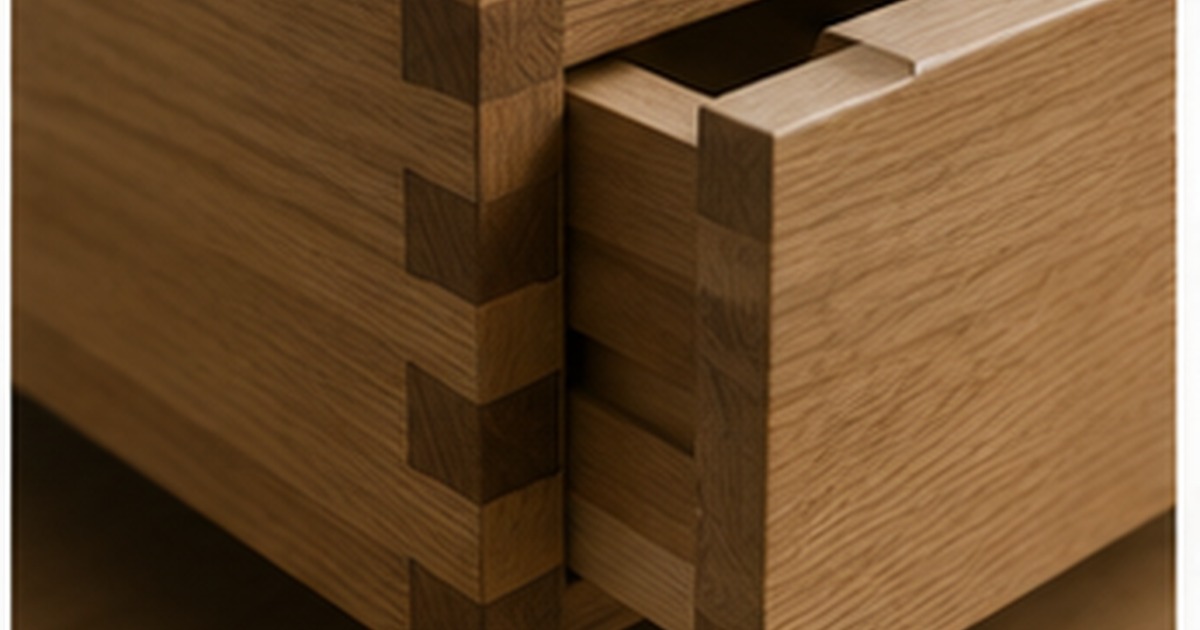
Two pieces of furniture can look almost identical in a photo and yet one lasts twenty years while the other wobbles within twelve months. The difference is in the details most shoppers never check, the joints, the materials behind the finish, the way parts fit together. Learning to read these signs turns you from a hopeful buyer into a confident one, and it saves real money, because the cheapest furniture is rarely the best value once it has been replaced twice. Here is how to judge furniture quality the way someone in the trade would, with simple checks you can do in any showroom.
Why quality is hard to see
Furniture is designed to look good on the showroom floor and in photos, where the finish hides what is underneath. A glossy surface or a smart fabric can sit over a flimsy frame or weak joints that only reveal themselves after months of use at home. That is why judging by appearance alone is a trap, and why a few deliberate checks of the parts you cannot see at a glance tell you far more than the styling ever will. The goal is to look past the finish to the structure, since that is what determines whether a piece survives years of daily use.
Start with the joints
How parts are joined is the clearest single indicator of quality, because joints are where furniture fails. The strongest joints are interlocking and reinforced; the weakest rely on staples, nails, or glue alone.
- Look for joints that are screwed, dowelled, or interlocking, ideally with corner blocks for reinforcement, rather than only stapled or glued.
- On drawers, dovetail or solidly interlocking joints last far longer than stapled boxes, and the drawer should glide and not rack.
- Avoid pieces held together mainly by visible staples or nails, a classic sign of cut corners.
- Wobble and flex when you press on a frame usually means weak joints that will only loosen.
Judge the materials honestly
What a piece is made of, and how honestly that is described, tells you a lot. Solid wood and quality plywood are strong and durable; particleboard and low-grade engineered board are cheaper and weaker, especially at joints and if they get damp. Neither is automatically “bad”, engineered wood has its place, but you should know what you are buying. Be wary of vague terms like “wood”, “wood-effect”, or “premium materials”, which often mask cheaper substrates; reputable sellers state specifics. Our guide to solid wood, engineered wood, and metal explains how each performs, and for sofas, upholstery materials matter just as much as the frame.
Test stability and moving parts
Quality reveals itself in how a piece behaves, so put it through its paces in the showroom. Press down on tables and lean on chairs and frames, a well-made piece feels solid and rigid, with no creak, wobble, or flex. Open and close every drawer and door: they should move smoothly, line up evenly, and not stick or sag. On anything with a mechanism, a recliner, a sofa bed, an extendable table, operate it several times, since moving parts are the first thing to fail on cheap furniture. Anything that feels flimsy now will only get worse with daily use.
Finish and the small details
The finishing details separate careful manufacture from rushed assembly. Run your hand over surfaces and edges: quality pieces are smooth and evenly finished, with consistent colour, neat seams, and no rough spots, drips, or gaps. Check that patterns match across panels, that upholstery is evenly stuffed and tightly fitted, and that any hardware feels solid rather than hollow and tinny. These small signs of care usually reflect the same care in the parts you cannot see. Spotting them helps you avoid the false economies covered in our guide to common furniture mistakes.
Where to spend and where to save
Knowing how to spot quality is most useful when paired with knowing where it actually matters. Quality earns its premium on the pieces that get the hardest, longest use and are expensive to replace, sofas, beds, dining tables, and anything with a mechanism, where a sturdy frame and good joints pay off every day for years. On these, stretching the budget for genuine build quality is sound value rather than indulgence.
On pieces that take little punishment or that you expect to change soon, occasional, decorative, or short-term items, you can comfortably spend less without regret, as long as you are not relying on them to last decades. The smart approach is not “always buy the best” but “buy the best where it counts.” A clear eye for quality lets you do exactly that, putting your money into the structure of the pieces that matter and saving it on the ones that do not.
Frequently asked questions
How can I tell if furniture is good quality?
Check the joints (screwed, dowelled, or interlocking beats stapled or glued), the materials (solid wood or quality plywood over low-grade board, with honest descriptions), and the stability (it should feel solid with no wobble or creak). Test drawers, doors, and any mechanisms for smooth, even operation, and look for a clean, consistent finish. These checks reveal quality the styling hides.
Is solid wood always better than engineered wood?
Not always; it depends on the use and budget. Solid wood is strong, repairable, and long-lasting but heavier and pricier. Quality engineered wood is stable, cheaper, and fine for many pieces, though weaker at joints and less water-resistant. The key is knowing what you are buying and avoiding vague descriptions; a well-made engineered piece can outlast a poorly made solid-wood one.
What are the warning signs of cheap furniture?
Joints held together mainly by visible staples, nails, or glue; wobble or flex when you press on it; drawers and doors that stick, sag, or do not line up; vague material descriptions; and a finish with rough spots, gaps, or mismatched patterns. Flimsy-feeling mechanisms and hollow, tinny hardware are also red flags. Any of these suggests a piece that will not last.
Can I check furniture quality when buying online?
You cannot do the hands-on tests, so lean on what you can verify: detailed, specific material and construction descriptions, clear dimensions, close-up photos of joints and hardware, and the return policy in case it disappoints. Vague descriptions and a poor returns policy are warning signs. Where possible, see the piece or the range in person first, then buy online if it checks out. Customer reviews that mention how a piece has held up over months, rather than first impressions, are also a useful signal of real-world durability and the gaps photos cannot show.

Written by Ankita Roy
Furniture buying editor focused on practical room planning, material checks, and clear decision guidance.
Related furniture guides
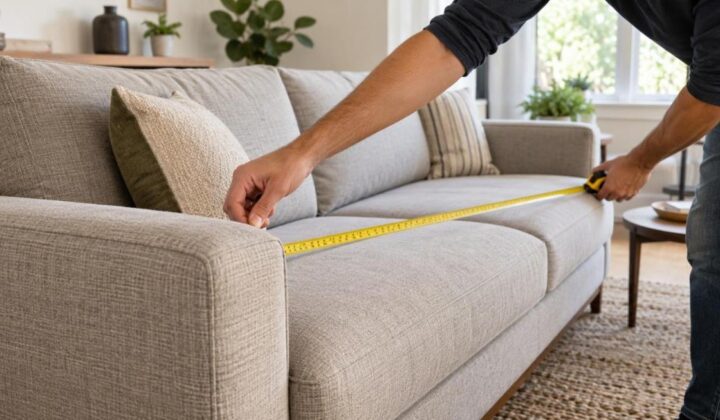
Sofa Dimensions Guide: Measuring Properly Before You Buy
Every measurement that matters: overall size, seat height and depth, arm height, diagonal depth for doorways, and the clearances a room needs…

Good Sofas Under $1000: What You Can Reasonably Expect
What a budget actually buys at this price, which corners get cut, the specifications that separate a three-year sofa from a ten-year…
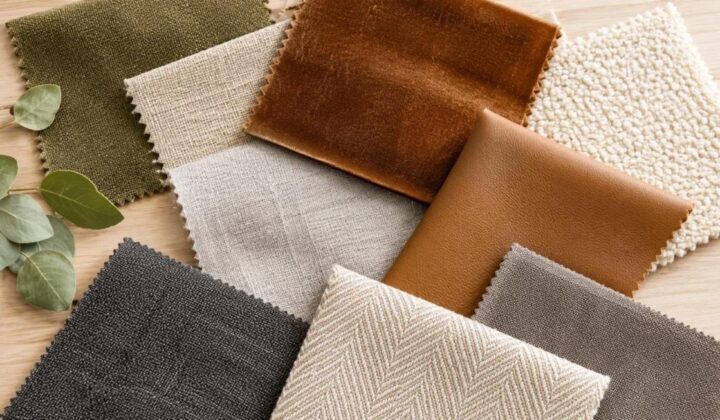
Sofa Fabric Guide: Materials That Survive Real Life
Performance polyester, linen, velvet, chenille, leather and bouclé compared on durability, cleanability, pet resistance and how each one ages.