Solid Wood, Engineered Wood, or Metal? An Honest Comparison
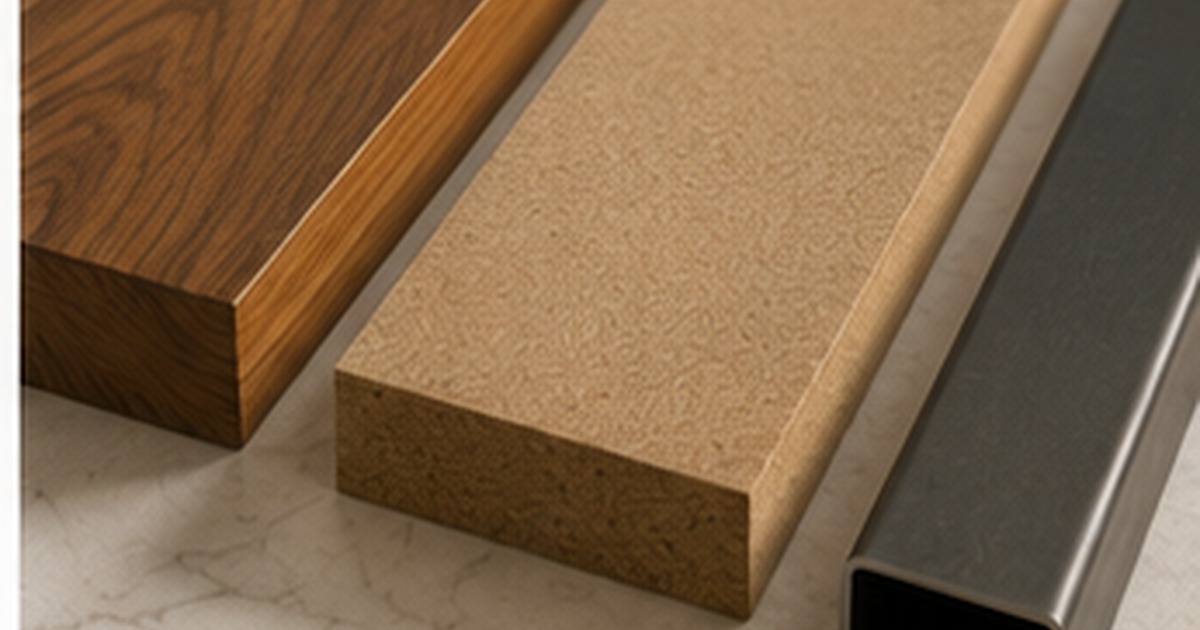
Solid wood, engineered wood, and metal are the materials behind most furniture, and the choice between them shapes how a piece looks, what it costs, and how long it lasts. None is simply “best”, each has real strengths and genuine drawbacks, and the right answer depends on the piece, your budget, and how you live. The confusion usually comes from marketing that talks up one and dismisses the others, when in truth a well-made piece in any of them can be excellent. Here is an honest comparison to help you match the material to the job.
Solid wood
Solid wood is the traditional benchmark for quality, and for good reason. It is strong, long-lasting, and repairable, scratches and marks can often be sanded out, and it can last generations and even be passed down. It has warmth and character that other materials imitate but rarely match, and it ages well. The trade-offs are real, though: it is the most expensive option, it is heavy, and as a natural material it can expand, contract, and crack with big swings in humidity, and it needs occasional care. For long-lived, hard-working pieces like dining tables and bed frames, that durability often justifies the cost, as our guides to dining tables and bed frames discuss.
Engineered wood
Engineered woods, plywood, MDF, particleboard, and the like, are made by binding wood fibres or layers together, and they range widely in quality. The better grades, such as quality plywood, are strong and stable and resist the warping that solid wood can suffer, while cheaper particleboard is weaker, especially at joints, and vulnerable to moisture. The big advantages are lower cost, consistency, and a smooth surface that takes veneers and finishes well, which is why so much affordable, good-looking furniture uses it. The key is to know which grade you are getting, since “engineered wood” spans the genuinely good and the disposable; vague descriptions usually mean the cheaper end.
Metal
Metal, typically steel, iron, or aluminium, is strong, durable, and stable, and it suits modern and industrial looks as well as practical pieces like frames and legs. It does not warp, crack, or suffer from humidity the way wood can, and aluminium in particular is light and rust-proof. The drawbacks are that some metals can rust if the coating is damaged, especially in damp conditions, that it can feel cold and hard, and that cheaper metal furniture can squeak at the joints. For structural strength and a contemporary look, well-finished metal is hard to beat, and it pairs beautifully with wood or glass tops.
How to choose for each piece
Rather than crowning one winner, match the material to the job and your priorities.
- Long-lived, hard-working pieces (dining tables, beds): solid wood’s durability and repairability often justify the cost.
- Affordable, good-looking pieces or rentals and short-term homes: quality engineered wood offers the best value.
- Strength, a modern look, or damp areas: metal, especially rust-proof aluminium, performs well.
- Mix and match: many of the best pieces combine materials, a solid or engineered wood top on a metal frame, for the strengths of both.
Caring for each material
A little material-appropriate care keeps any of these looking good. Solid wood benefits from occasional oiling or waxing, prompt wiping of spills, and protection from direct heat and harsh sun; its payoff is that scratches can often be repaired. Engineered wood with a laminate or veneer wipes clean easily but cannot be sanded back, so protecting the surface from chips and water is key, since damage tends to be permanent. Metal mainly needs its protective coating kept intact, touch up scratches before rust starts, and the occasional wipe-down. Whatever the material, judging build quality, as our guide to spotting well-made furniture explains, matters as much as the material itself.
Common myths about furniture materials
A few persistent myths lead people astray when choosing materials, and clearing them up makes for better decisions. The biggest is that solid wood is always best and engineered wood is always cheap rubbish; in reality, quality plywood is excellent and stable, while poorly made solid-wood furniture with weak joints can fail faster than a well-built engineered piece. The material name on its own tells you less than the quality of construction behind it.
Another myth is that metal furniture is cold, flimsy, or purely industrial, when well-made metal is extremely strong, stable, and at home in many styles, especially paired with wood or glass. And many people assume “real wood” labelling guarantees solid wood throughout, when it can mean a thin veneer over engineered board, which is not necessarily bad but is worth knowing. The honest takeaway is to judge each piece on its actual construction and the specifics of its materials, rather than trusting a single reassuring word on the label.
Frequently asked questions
Is solid wood always better than engineered wood?
No. Solid wood is more durable, repairable, and long-lasting, but it is pricier, heavier, and can warp or crack with humidity. Quality engineered wood is stable, affordable, and fine for many pieces, though weaker at joints and less moisture-resistant. The best choice depends on the piece and budget, and a well-made engineered item can outlast a poorly made solid-wood one. Knowing the grade matters most.
Does metal furniture rust?
It can if the protective coating is damaged, particularly steel and iron in damp or coastal conditions. Aluminium is naturally rust-proof and a better choice where moisture is a concern. Keeping coatings intact and touching up scratches before rust starts prevents most problems. Well-finished, properly maintained metal furniture resists rust well, while neglected or poorly coated metal in wet conditions is most at risk.
What furniture material lasts the longest?
Well-made solid wood and quality metal both last a very long time, with solid wood’s repairability giving it an edge for pieces you want to keep for decades or pass down. Quality engineered wood lasts well but cannot be repaired the same way. Ultimately, build quality, joints, finish, construction, matters as much as the material, so a well-made piece in any material outlasts a poorly made one.
Is veneer the same as solid wood?
No. A veneer is a thin layer of real wood bonded over a cheaper core, usually engineered board, so a veneered piece has a genuine wood surface but is not solid throughout. This is not inherently bad, veneers can look excellent and use timber efficiently, but it cannot be sanded back like solid wood, and quality varies. Check whether furniture is solid, veneered, or laminate so you know what you are buying, and do not assume a “real wood” label means solid wood throughout.

Written by Adarsh Sharma
Furniture buying editor focused on practical room planning, material checks, and clear decision guidance.
Related furniture guides
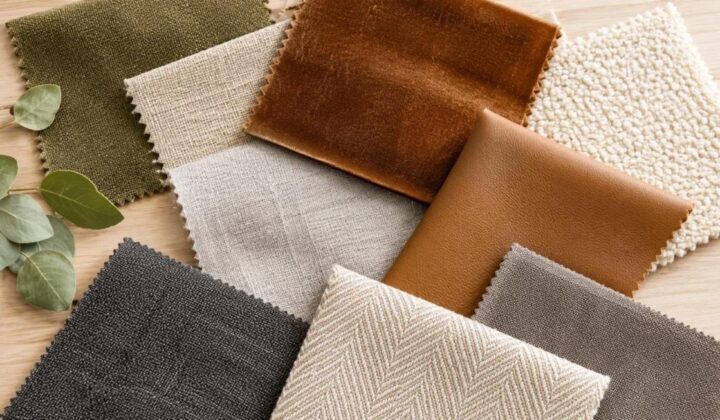
Sofa Fabric Guide: Materials That Survive Real Life
Performance polyester, linen, velvet, chenille, leather and bouclé compared on durability, cleanability, pet resistance and how each one ages.
How to Buy Furniture More Sustainably (Without the Greenwashing)
What sustainable furniture really means, which certifications are worth trusting, and how buying for durability beats chasing eco labels that don't mean…
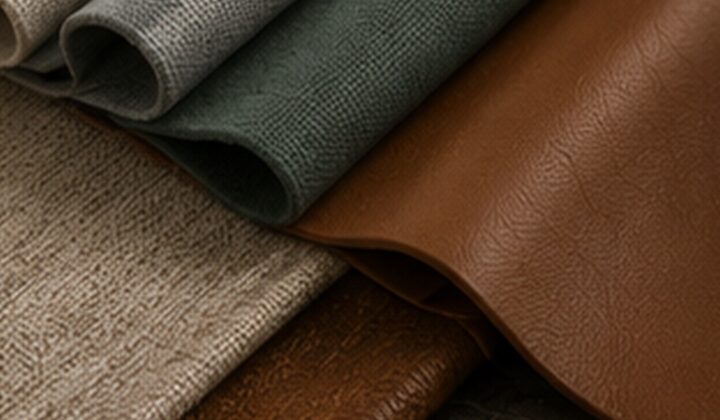
Sofa Upholstery Explained: Fabric, Leather, and Performance Materials
Fabric, leather, or performance upholstery? How each wears with kids, pets, and daily life, what cleaning each needs, and how to choose…