Furniture Delivery and Assembly: What to Check Before You Sign
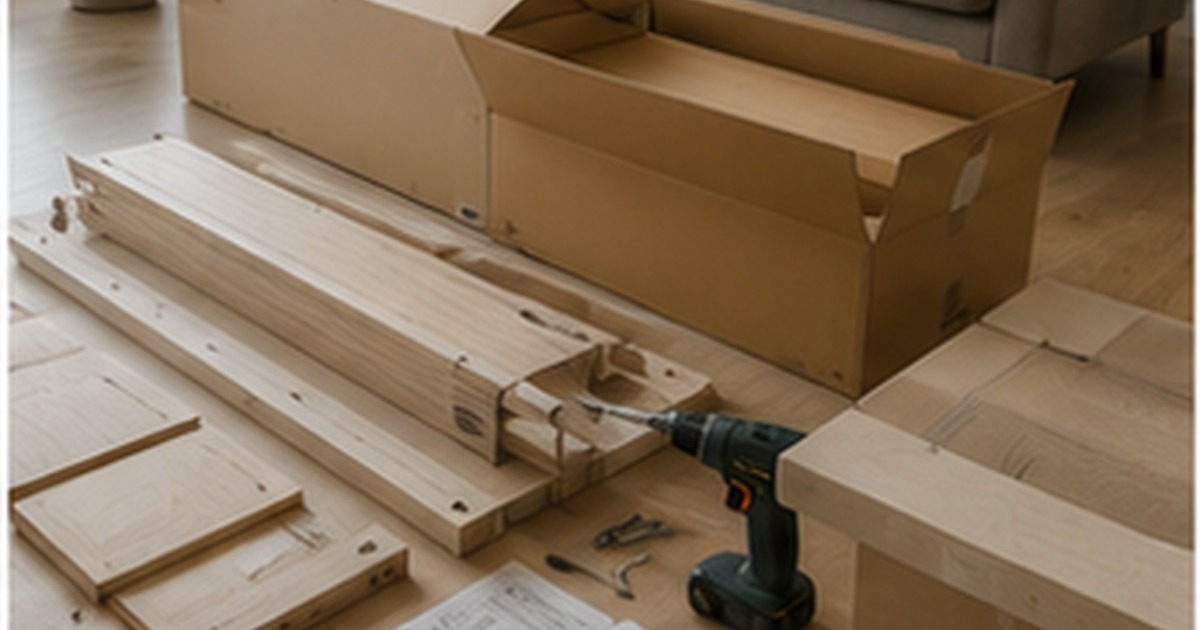
The furniture-buying process does not end when you pay; the delivery, assembly, and the small print around returns are where a smooth purchase can still go wrong. People put huge thought into choosing a sofa and then sign for it without looking, or wrestle a wardrobe together and strip the screws, or discover too late that the return window has closed. None of this is complicated, but a little preparation saves a lot of grief. Here is how to handle the practical end of a furniture purchase so the piece you chose arrives, fits, and works as it should.
Before delivery: measure the route
The classic disaster is furniture that fits the room but not the route to it. Before delivery day, measure not just where the piece will go but how it will get there: doorways, hallways, tight turns, stairwells, and the lift if you are in an apartment. Compare these against the item’s dimensions, remembering it may need to be tilted or turned. Clear the path and the destination in advance, and check whether the delivery includes carrying the item to the room or just leaving it at the door, because a heavy boxed sofa on the doorstep is its own problem.
At delivery: inspect before you sign
Signing for a delivery often confirms you received it in good condition, so the few minutes before you sign matter. Inspect the packaging for obvious damage, and where practical, check the item itself before the delivery team leaves.
- Look over the packaging and the item for dents, tears, scratches, or signs of rough handling.
- Check it is the correct item, colour, and size you ordered.
- If something is wrong or damaged, note it clearly on the delivery paperwork before signing, or refuse the item per the retailer’s policy.
- Photograph any damage immediately, which makes a claim far easier.
It is much easier to resolve a problem flagged at delivery than one raised days later, so resist the pressure to just sign and wave the driver off.
Assembly without the stress
Flat-pack assembly has a fearsome reputation, but most failures come from rushing. A calm, methodical approach avoids stripped screws and missing steps. Lay out and count all the parts and fittings before you start, read the instructions fully once through, and work on a soft surface to avoid scratching the pieces or the floor. Tighten fittings firmly but not with brute force, over-tightening strips screws and splits engineered board, and do a final pass to snug everything up once assembled. Having a second pair of hands for the awkward stages, and the right screwdriver rather than an improvised one, makes the whole job far smoother.
Returns and what to check
Before you buy, understand the return policy, because furniture returns are more complicated than returning a shirt. Check the return window, whether the item must be unused and in its original packaging, who pays the (often significant) return shipping for large items, and whether custom or made-to-order pieces are returnable at all, frequently they are not. Your statutory rights also cover faulty goods, but the practical experience varies hugely by retailer. Knowing the policy before you commit means an unsuitable or faulty piece does not become an expensive, stressful ordeal, exactly the kind of avoidable problem in our guide to common furniture mistakes.
Keep the paperwork
A dull but valuable habit: keep your order confirmation, delivery note, receipts, and any assembly instructions and spare fittings together somewhere safe. If a problem emerges, you have the proof of purchase and the policy to hand, and if you need a spare part or to dismantle the piece when you move, the instructions and leftover fittings are exactly what you will wish you had kept. A little organisation here protects the investment you made in choosing well, helped by checks like those in our guide to spotting well-made furniture.
Getting rid of the old furniture
New furniture usually means old furniture leaving, and how you handle that is worth a moment’s thought rather than a trip to the tip by default. If a piece is still usable, selling or donating it gives it another life and keeps it out of landfill; charities, community groups, and local selling pages all take serviceable furniture, and some retailers offer to remove your old item when they deliver the new one. Arranging this before delivery day saves you living around a redundant piece while you work out what to do with it.
For furniture that is genuinely beyond use, check how to dispose of it responsibly, since many materials can be recycled and bulky-waste collection is often available rather than fly-tipping or cramming it into general waste. Planning the exit of the old piece alongside the arrival of the new one keeps the whole process tidy and a little kinder, the same durability-and-responsibility thinking behind our guide to buying furniture more sustainably.
Frequently asked questions
What should I check when furniture is delivered?
Before signing, inspect the packaging and, where practical, the item for damage, and confirm it is the correct item, colour, and size. Note any damage or error clearly on the delivery paperwork before signing, or refuse the item per the retailer’s policy, and photograph any problems immediately. It is far easier to resolve issues flagged at delivery than raised days later, so do not just sign and wave the driver off.
How do I avoid stripping screws during assembly?
Work methodically: count all parts first, read the instructions through once, and use the correct screwdriver rather than an improvised tool. Tighten fittings firmly but not with brute force, since over-tightening strips screws and can split engineered board. Assemble on a soft surface, get a second pair of hands for awkward stages, and do a gentle final pass to snug everything up.
Can I return furniture if I change my mind?
It depends on the retailer’s policy, which is stricter than for small goods. Check the return window, whether the item must be unused and in original packaging, who pays return shipping for large items, and whether custom or made-to-order pieces are returnable at all, often they are not. Faulty goods are covered by your statutory rights, but change-of-mind returns vary widely, so read the policy before buying.
Should I pay for professional assembly?
It is worth it for large, complex, or heavy items, fitted wardrobes, big beds, anything where a mistake is costly or the piece is awkward to handle alone, especially if you are short on time or confidence. For straightforward flat-pack pieces, careful self-assembly is usually fine. Weigh the cost against the risk of damage and the hassle; some retailers include or offer assembly at delivery.

Written by Adarsh Sharma
Furniture buying editor focused on practical room planning, material checks, and clear decision guidance.
Related furniture guides

Leather Sofa Guide: Grades, Aniline Finishes and Real Care
Full-grain, top-grain, split and bonded leather explained, plus aniline versus pigmented finishes, what each costs to live with, and a maintenance routine…
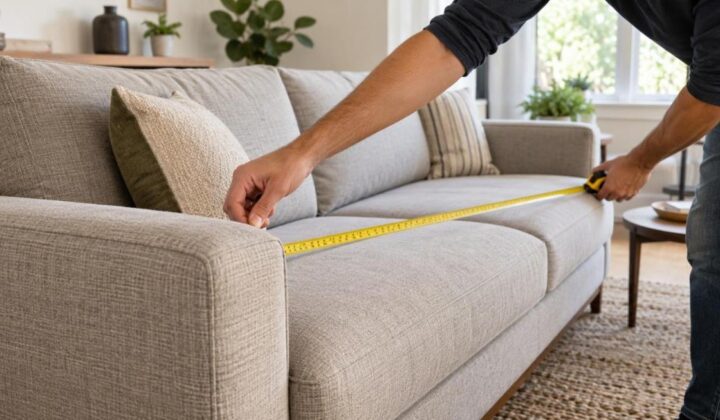
Sofa Dimensions Guide: Measuring Properly Before You Buy
Every measurement that matters: overall size, seat height and depth, arm height, diagonal depth for doorways, and the clearances a room needs…

Good Sofas Under $1000: What You Can Reasonably Expect
What a budget actually buys at this price, which corners get cut, the specifications that separate a three-year sofa from a ten-year…