How to Choose a Sofa for Your Space and the Way You Live
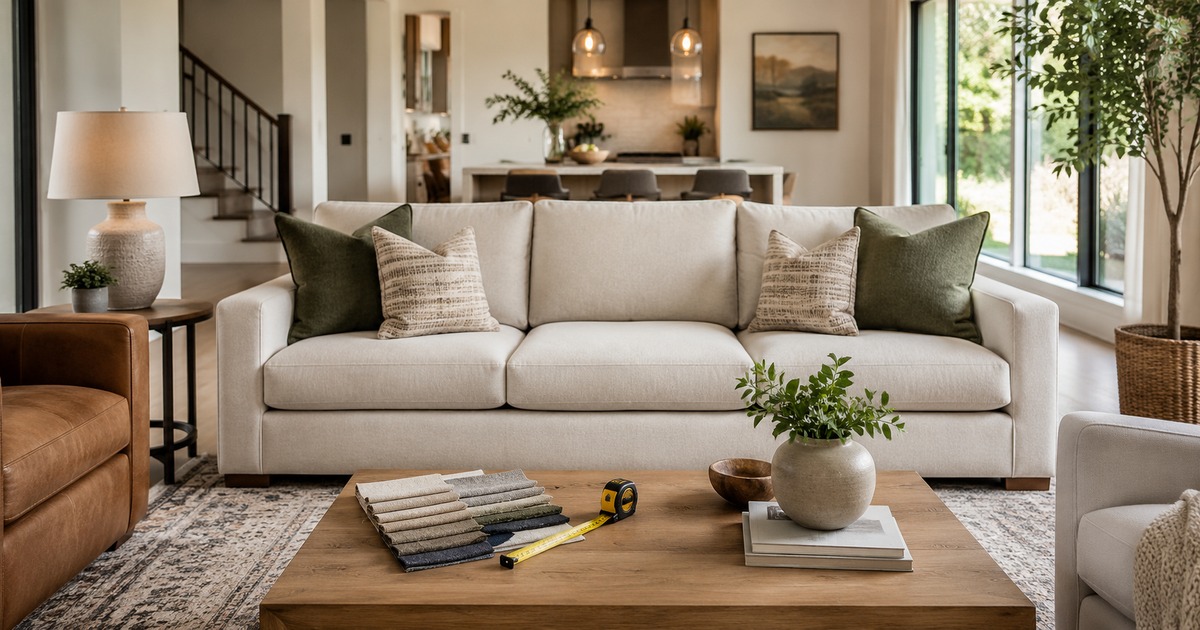
A sofa is the one piece of furniture you sit on every single day, sometimes for hours, so it is worth more thought than the average impulse buy. Yet most people choose one the same way: they fall for a photo, check that the price is bearable, and hope it fits. Then it arrives too big for the room, too firm for lazy evenings, or in a fabric that shows every mark. Choosing well is not complicated, but it does mean thinking about your room and your habits before you think about the style. Here is how to do that without the showroom pressure.
Measure first, fall in love second
The most common sofa regret has nothing to do with looks; it is size. A sofa that looked modest in a vast showroom can swallow a normal living room, and one that seemed huge online can leave a big room feeling sparse. Before you browse, measure the wall the sofa will sit against, the clear floor space in front of it, and crucially the route it has to travel to get there: doorways, hallway turns, stairwells, and the lift if you are in an apartment.
Mark the sofa’s footprint on the floor with tape so you can see how much room it really takes and whether you can still walk around it comfortably. A surprising number of returns happen not because the sofa is wrong but because it physically will not come through the front door.
Let your daily life decide the shape
Think honestly about how the sofa will be used, because that should drive the design more than any trend. A couple who likes to stretch out and watch films wants something deep and loungeable; a household that entertains wants more upright seats for more people; a family with young children and pets wants durability and washability above all.
- If you lounge and nap, look for a deeper seat and softer back cushions you can sink into.
- If you sit upright to read or chat, a shallower, firmer seat supports you better.
- If space is tight, a two-seater or a compact three-seater keeps the room walkable; if you have an open-plan space, a sectional might suit you better.
- If kids and pets are in the picture, prioritise removable, washable covers and tough fabric over delicate finishes.
Comfort is personal, so test it properly
Comfort is the whole point of a sofa, and it is also the hardest thing to judge from a screen. Seat depth, cushion firmness, and back height all matter, and they affect different bodies differently. A seat that is heavenly for a tall person can leave a shorter one perched with their feet dangling. If you can, sit on it the way you actually sit at home, slouch, put your feet up, lie back, rather than perching politely for ten seconds.
Pay attention to the cushion fill too. Foam holds its shape and stays neat but can feel firm; feather and down are luxuriously soft but need regular plumping; a foam core wrapped in feather is a popular middle ground. None is “best”; it depends on whether you value a tidy look or a sink-in feel.
Frame and fabric: where longevity hides
The parts you cannot see decide how long a sofa lasts. A solid hardwood frame is the gold standard and should feel rock-solid with no creaks or wobble when you lean and press on it. Cheaper frames built from softwood or low-grade engineered board can loosen and sag within a few years. Joints that are screwed and dowelled, ideally with corner blocks, outlast joints that are merely stapled or glued.
Fabric is where comfort meets real life. Tightly woven and performance fabrics resist stains and wear far better than loose weaves, which matters enormously with children or pets. Leather is hard-wearing and ages handsomely but is a bigger commitment in cost and care. Whichever you lean toward, our guide to sofa upholstery breaks down how fabric, leather, and performance materials actually wear day to day.
Red flags to watch for
- A frame that creaks, flexes, or wobbles when you press on the arms or lean back.
- Cushions that are not removable, you cannot rotate them to even out wear or wash covers.
- Vague material descriptions like “wood” or “premium fabric” with no specifics.
- A delivery quote that ignores access, measure your doors before you trust “it will fit”.
- A price that seems too good, very cheap sofas usually cut corners on the frame you cannot see.
A simple way to decide
When you have narrowed it down, run each option through three questions: Does it physically fit my room and my doorways? Is it comfortable for the way I actually sit? Is the frame and fabric built to last the years I expect from it? A sofa that passes all three is almost always a better buy than a prettier one that fails any of them. Style matters, but it is the easiest box to tick and the one people wrongly put first. Get the fit, comfort, and build right, and you will still love how it looks years from now.
How much should you really spend?
There is no single right budget, but it helps to think in tiers rather than chasing a price. At the budget end, you can find a perfectly serviceable sofa for a first flat or a spare room, but expect a shorter life and simpler materials. In the mid-range, you start getting hardwood frames, better cushions, and fabrics that survive family life, which is where most people get the best value for a main, everyday sofa. At the high end you are paying for craftsmanship, premium materials, and longevity that can stretch to decades.
The honest way to judge value is cost per year of use, not the sticker price. A cheap sofa replaced twice in five years can cost more, and create more hassle and waste, than one good sofa that lasts fifteen. If this is the seat you will use every day, it is usually worth stretching toward the best frame and fabric you can manage, and saving on the pieces that take less punishment.
Frequently asked questions
What size sofa should I get for my living room?
Measure your available wall and floor space first, then leave enough clear room to walk around the sofa comfortably, ideally a good arm’s width of walkway. As a rule, a sofa should not dominate the room or block natural paths through it. Taping its footprint on the floor before buying is the simplest way to be sure.
How can I tell if a sofa is well made?
Check the frame by pressing and leaning on it; a quality sofa feels solid with no creaks or flex. Look for a hardwood frame, removable cushions, and joints that are screwed or dowelled rather than only stapled. Tightly woven or performance fabric signals durability, and reputable sellers will tell you the specifics rather than using vague terms.
Is leather or fabric better for a family sofa?
Both can work. Leather wipes clean easily and resists spills but scratches can show and it is pricier. Performance and tightly woven fabrics, especially with removable, washable covers, handle daily family wear and tear very well. The best choice depends on your tolerance for maintenance and the look you want.

Written by gautam995576@gmail.com
Furniture buying editor focused on practical room planning, material checks, and clear decision guidance.
Related furniture guides

Good Sofas Under $1000: What You Can Reasonably Expect
What a budget actually buys at this price, which corners get cut, the specifications that separate a three-year sofa from a ten-year…

Sleeper Sofas and Futons: An Honest Comfort Comparison
Pull-out sleeper, click-clack futon or a daybed? A frank look at how each one sleeps, how each one sits, what they cost…

Sectional Sofa Buying Guide: Sizes, Configurations and Real Costs
How to pick a sectional that actually fits your room: standard sizes, chaise vs corner configurations, what each price tier buys you,…