How to Set Up a Home Office in a Small Space
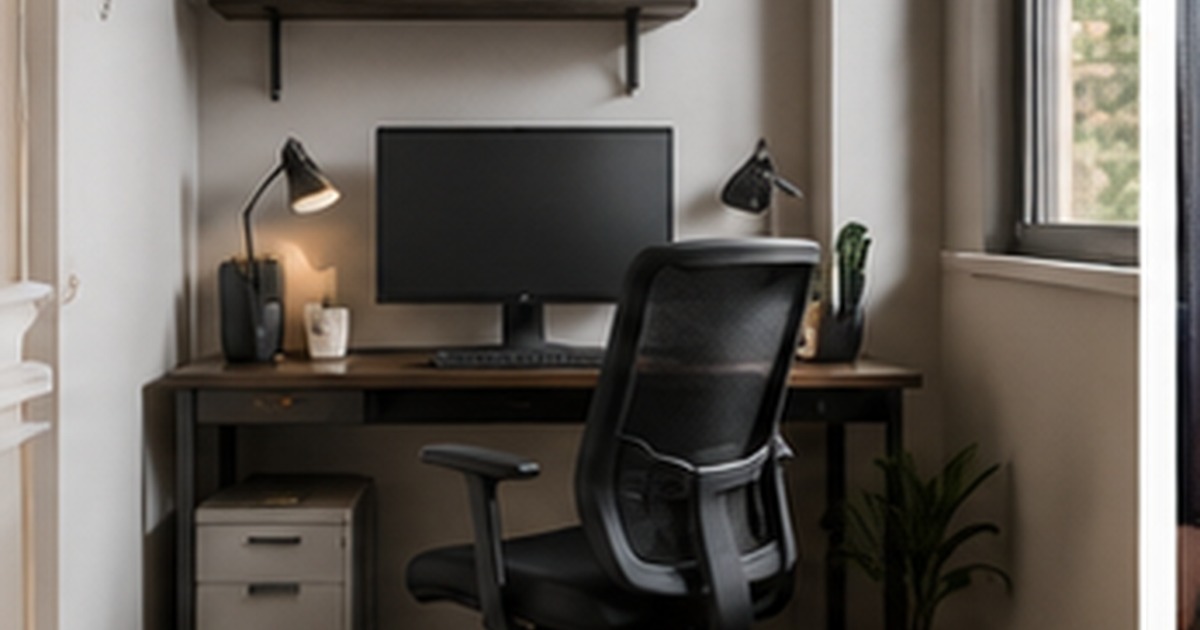
Working from home is far more common than having a spare room to do it in. Most people are carving an office out of a corner of the living room, a section of the bedroom, an alcove, or even a closet, and the good news is that a small, well-planned workspace can be more comfortable and more productive than a large, badly organised one. The trick is to make deliberate choices about where you work, what furniture fits, and how to keep work from spilling into the rest of your home. Here is how to set up a genuinely workable office in a tight space.
Find the right spot
Where you put your desk matters more than its size. Look for a spot with decent natural light, ideally beside a window rather than facing it (which causes screen glare) or with your back to it (which silhouettes you on video calls). A quiet corner away from the busiest paths through the home helps you focus and reduces interruptions. If space is truly scarce, an alcove, a wide hallway, the corner of a bedroom, or a deep closet (a “cloffice”) can all become a workspace, and a corner is often the most efficient use of an awkward room.
Choose a desk that fits the space
In a small space, the desk should be sized to the spot, not bought blind. Measure the area carefully, including how far a chair pulls out, before choosing.
- A compact or corner desk uses an awkward angle that would otherwise be dead space.
- A wall-mounted fold-down desk disappears when not in use, ideal in a shared or multi-use room.
- A narrow console-depth desk fits along a wall or in a hallway while still holding a laptop and monitor.
- A desk with built-in shelving above goes vertical, adding storage without a larger footprint.
Whatever you choose, leave enough depth for your screen to sit an arm’s length away; a desk too shallow forces the monitor too close. The same room-planning discipline from our guide to furnishing a small apartment applies here in miniature.
Seating and comfort in a corner
It is tempting to grab any spare chair for a small setup, but if you work for hours, comfort still matters, a dining chair will leave you aching by lunchtime. You do not need a huge executive chair; a compact task chair with seat-height adjustment and decent lower-back support fits a small space and protects your body. Get the basics from our guide to chair and desk ergonomics right: feet flat, forearms level, screen top near eye level. In a really tight spot, a small chair plus a footrest and a laptop stand can create a surprisingly comfortable, healthy setup.
Storage and cable sanity
Clutter shrinks a small workspace fast, both physically and mentally, so storage and tidy cables are not optional. Go vertical with a shelf or two above the desk, use drawers or a small mobile pedestal for supplies, and keep only what you use daily on the desk surface itself. Cables are the other enemy of a small, tidy desk: gather them with clips or a sleeve, use a small cable tray under the desk, and a single power strip to corral the chargers. A clear, organised surface makes a small office feel calm and professional rather than cramped.
Separating work from home
The hardest part of a small home office is psychological: when your desk is in your bedroom or living room, work and rest blur together. A few simple boundaries help enormously. If you can, position the desk so you do not see it from your bed or sofa, or use a fold-away desk or a screen to “close” the office at the end of the day. Packing the laptop away and tidying the surface signals to your brain that work is finished. A multi-functional or fold-away piece that hides the workspace when not in use is invaluable in a room that has to be both office and living space.
Lighting and making it feel like a real office
Good lighting does a lot of quiet work in a small office, both for comfort and for video calls. Aim for layered light rather than one harsh overhead bulb: natural light from a nearby window, plus a small desk lamp positioned to light your work without glaring on the screen. For calls, light on your face, ideally from in front, looks far more professional than a window glaring behind you. A small lamp at the right angle solves most home-office lighting problems cheaply.
A few personal touches make a corner feel like a proper workspace rather than a borrowed table, which genuinely helps focus and motivation. A plant, a small piece of art, or a tidy pen pot signals “this is where I work” without taking much room. The aim is a space that feels intentional and yours, even if it is only a metre wide, because a workspace you like sitting in is one you use well.
Frequently asked questions
How do I set up a home office in a small space?
Pick a spot with good light and minimal foot traffic, even a corner, alcove, or closet, then choose a desk sized to that space, such as a corner, wall-mounted fold-down, or narrow console desk. Add a comfortable compact chair, go vertical with shelving for storage, keep cables tidy, and create a way to “close” the workspace so work does not bleed into home life.
What size desk do I need for a small home office?
As small as fits your work while leaving your screen an arm’s length away. Measure the available space including chair pull-out room. A corner or narrow console desk often works well, and a wall-mounted fold-down desk saves the most space in a shared room. Make sure there is enough depth for the monitor and enough width for a keyboard and mouse without cramping.
How do I separate work from home in a small apartment?
Create boundaries even without a separate room: position the desk out of sight of your bed or sofa if possible, use a fold-away desk or a screen to hide the workspace after hours, and pack away the laptop and tidy the surface to signal the end of the workday. Multi-functional furniture that conceals the office when not in use is especially helpful in a shared space.
Is it bad to have a desk in the bedroom?
It is not inherently bad, and for many people it is the only option, but it can blur the line between work and rest, which affects relaxation and sleep. If your desk must go in the bedroom, try to position it out of sight of the bed, and pack work away or hide the desk at the end of the day. A fold-away or screened-off setup helps keep the bedroom feeling restful.

Written by Ankita Roy
Furniture buying editor focused on practical room planning, material checks, and clear decision guidance.
Related furniture guides
How to Sit Comfortably All Day: Office Chair and Desk Ergonomics
Back ache by 3pm? A practical guide to office ergonomics: how to set up your chair, desk, and screen, and what matters…
Standing Desks: What They Help, What They Don’t, and How to Use One
A level-headed look at standing desks: the real benefits, the overblown claims, how to alternate sitting and standing, and what to check…
How to Build a Comfortable Gaming Setup That Lasts
Beyond the RGB: how to build a gaming setup that is actually comfortable for long sessions, covering desk, chair, posture, screen height,…