Furnishing a Small Apartment: Smart Choices, Room by Room
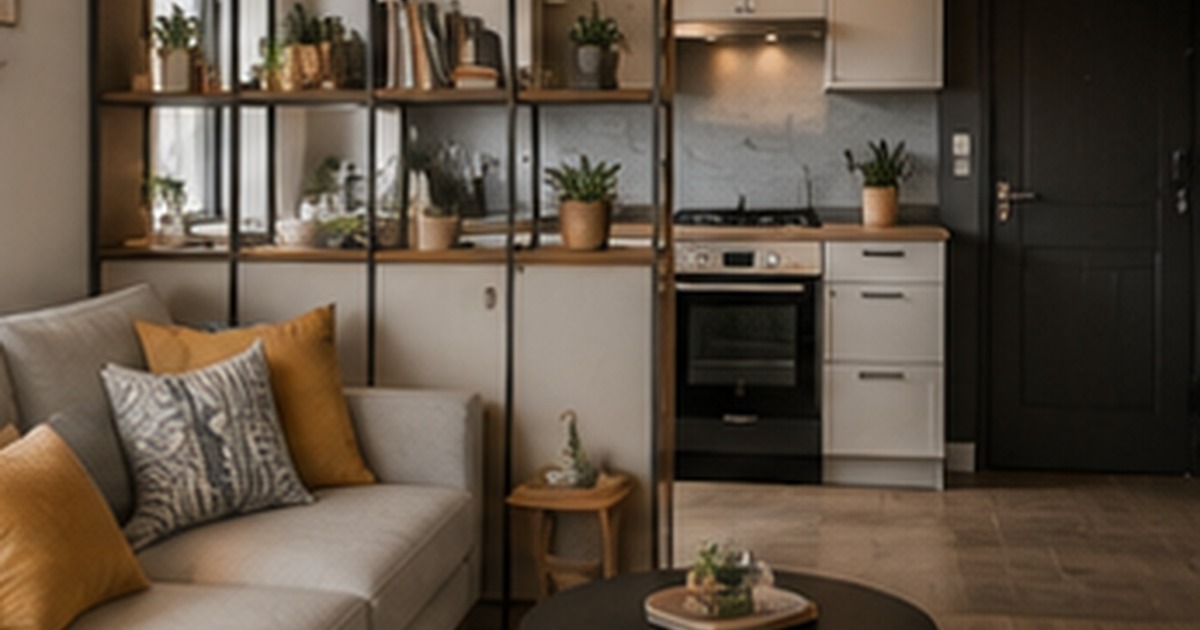
Furnishing a small apartment is a genuinely different skill from furnishing a large home. In a big space you can afford a wasted corner or an oversized piece; in a small one, every choice either earns its place or quietly makes the place feel cramped. The good news is that small apartments, done well, can feel calm, characterful, and surprisingly spacious, far nicer than a large home full of mismatched clutter. The secret is not cramming in tiny furniture but making deliberate, multi-tasking choices. Here is how to furnish a small apartment room by room so the whole place works harder.
Plan the whole space before you buy anything
The most expensive small-apartment mistake is buying piece by piece without a plan, then discovering nothing quite fits or flows. Before buying, measure each room and sketch where things will go, including the paths you walk every day, because in a small space, blocked walkways are what make it feel poky. Decide what each area genuinely needs to do, then buy to that. This whole-space approach, covered in our guide to planning a room layout, saves money and prevents the slow accumulation of pieces that do not work together.
Choose pieces that earn their space twice
In a small home, the best furniture does more than one job, which lets you fit fewer, better pieces. This is where multi-functional design genuinely shines rather than being a gimmick.
- A sofa bed or daybed turns a living room into a guest room without a spare bedroom.
- A storage ottoman works as a coffee table, footrest, extra seat, and hidden storage at once.
- An extendable dining table stays compact daily and grows when you have guests.
- A bed with built-in storage reclaims the space underneath for clothes and bedding.
Our guide to multi-functional furniture covers which double-duty pieces are genuinely worth it and which are more clever than useful.
Use vertical space everywhere
When floor space is scarce, the walls become your best friend. Going vertical, tall, narrow storage, wall-mounted shelves, hooks, and high cupboards, keeps the floor clear, and clear floor is what makes a small space feel open. Tall bookcases use height that would otherwise be wasted, wall-mounted shelves and floating units free up the floor entirely, and the area above doors and windows can hold a shelf for things you rarely need. Drawing the eye upward also makes ceilings feel higher and rooms feel larger.
Keep it light and visually open
How a small apartment looks affects how big it feels as much as the furniture itself. A few visual choices make a real difference: favour furniture with legs over solid bases, since seeing the floor continue underneath reads as more space; keep larger pieces in light, tonal colours that recede; and resist filling every wall and surface, because breathing room looks spacious while clutter looks cramped. Mirrors placed to reflect light and a window bounce brightness around and add a sense of depth. These same tricks scale down to a single room in our guide to making a small bedroom feel bigger.
Zoning an open-plan studio
If your small apartment is open-plan or a studio, the challenge is making one room feel like several without walls. Furniture is the tool: a sofa with its back to the bed visually separates living from sleeping; a rug defines the lounge area; a bookshelf or a slim console can act as a soft divider between zones. The aim is to give each function, sleeping, sitting, eating, working, its own defined corner, so the space feels organised rather than like one cluttered room with everything piled together.
Common small-apartment mistakes
A few recurring mistakes make small apartments feel smaller than they are, and they are easy to avoid once you know them.
- Buying furniture without measuring, then living around pieces that block doors, drawers, or walkways.
- Pushing every piece against the walls, which can actually make a room feel like a waiting area rather than larger.
- Choosing lots of small, mismatched pieces instead of fewer well-scaled ones, which reads as clutter.
- Ignoring vertical space and leaving the walls bare while the floor fills up.
- Keeping things you do not use or love, since in a small home every wasted item costs visible space.
Avoid these and a small apartment can feel calm and generous. The recurring theme is intentionality: in a small space you cannot get away with buying on impulse, so a little planning and a willingness to own less are what keep the place feeling open rather than cramped.
Frequently asked questions
How do I furnish a small apartment without it feeling cramped?
Plan the whole space first, choose multi-functional pieces that do more than one job, use vertical storage to keep the floor clear, and keep furniture light in colour and on legs so the floor shows. Avoid overcrowding, leave clear walkways, and resist filling every surface. Fewer, well-chosen pieces feel far more spacious than many small ones crammed together.
What furniture is best for a studio apartment?
Multi-functional and space-defining pieces work best: a sofa bed or daybed, a storage ottoman, an extendable table, and a storage bed. Use furniture to zone the space, a sofa or shelf as a divider, and a rug to define the lounge, so one room reads as several distinct areas. Vertical storage keeps the floor open in a studio where space is at a premium.
Should I buy small-scale furniture for a small apartment?
Appropriately scaled, yes, but not necessarily tiny. The goal is furniture that fits the room and leaves clear walkways, not miniature pieces that look lost or fail to function. One properly sized sofa is better than two undersized chairs. Focus on scale, multi-use, and keeping the floor clear rather than simply choosing the smallest version of everything.
How do mirrors help a small apartment feel bigger?
A mirror placed to reflect light and a view, especially opposite or near a window, bounces brightness around the room and creates a sense of depth, both of which make a space feel larger. A large mirror has the strongest effect. Position it deliberately to extend light and a sight line rather than hanging it at random, and even a small apartment feels noticeably more open and airy.
What is the biggest mistake when furnishing a small space?
Buying without a plan, piece by piece, so nothing quite fits or flows and walkways end up blocked. The fix is to plan the whole space first, measure carefully, decide what each area must do, and buy multi-functional, well-scaled pieces to that plan. Overcrowding and keeping things you do not use are the other common traps that quietly shrink a small home.

Written by Adarsh Sharma
Furniture buying editor focused on practical room planning, material checks, and clear decision guidance.
Related furniture guides
Sofa Dimensions Guide: Measuring Properly Before You Buy
Every measurement that matters: overall size, seat height and depth, arm height, diagonal depth for doorways, and the clearances a room needs…
Multi-Functional Furniture That Actually Earns Its Space
Which double-duty furniture is genuinely useful and which is a gimmick? An honest look at sofa beds, storage pieces, and convertibles for…