Kids’ Furniture Safety: A Practical Guide for Family Homes
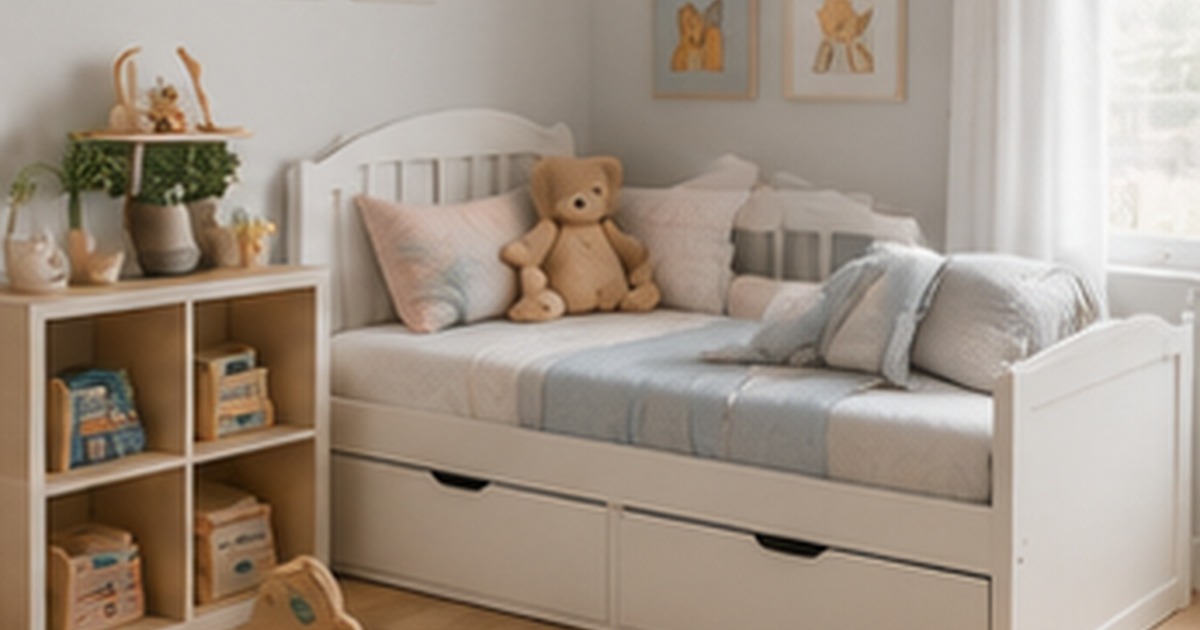
Furniture safety is one of those topics that is easy to wave away until you have a curious toddler climbing the bookcase. Most furniture-related injuries to children are entirely preventable, and the steps to prevent them are simple and cheap, but they are also easy to overlook in the rush of furnishing a home. This is not about wrapping a house in bubble wrap; it is about knowing the genuine risks, which are fewer than anxious parents fear, and dealing with them properly. Here is a practical, calm guide to keeping a family home safe without turning it into a padded cell.
The real risks worth taking seriously
It helps to focus on the hazards that actually cause harm rather than every theoretical danger. The big ones are furniture tipping over onto a child, sharp corners and edges at head height, small parts and materials a young child might swallow or chew, and unstable or poorly built pieces that collapse under climbing. Get these few things right and you have addressed the large majority of real furniture risk to children, without the exhausting vigilance that comes from worrying about everything equally.
Tip-overs: the most important one
Furniture and television tip-overs are the most serious furniture hazard to young children, and the most preventable. Children climb, pull, and use drawers as steps, and a tall, top-heavy, or loaded piece can come down on them. The single most effective safety step in any home with young children is anchoring tall and heavy furniture, bookcases, dressers, drawer units, wardrobes, to the wall with the right brackets or straps, and securing the television so it cannot be pulled over.
- Anchor all tall or heavy furniture to the wall, especially anything a child could climb or pull on.
- Secure freestanding televisions or wall-mount them out of reach.
- Avoid placing tempting items (toys, remotes) on top of furniture a child would climb to reach.
- Choose lower, wider, stable pieces for children’s rooms rather than tall, narrow ones.
Wall anchors cost very little and take minutes to fit, and they prevent the most dangerous furniture accidents there are. This is the one safety step no family home should skip.
Materials, finishes, and small parts
What furniture is made of matters in a home with small children who explore with their mouths. Look for finishes and paints that are non-toxic and safe for children, particularly on cots, beds, and anything in a nursery or playroom. Avoid pieces with small, removable parts, loose knobs, caps, or decorative bits, that could become a choking hazard, and check that any glass is toughened or, better, avoided in young children’s spaces. Well-made furniture from reputable sources is more likely to meet relevant safety standards, which is one practical reason build quality matters, as our guide to spotting well-made furniture explains.
Edges, corners, and stability
Sharp corners at a toddler’s head height are a common cause of bumps and cuts, and they are easy to address. Where you can, choose furniture with rounded or softened edges for the rooms children use most, particularly low tables they will run past. For existing sharp-cornered pieces, inexpensive corner guards take the danger out of them. Beyond corners, check that pieces are genuinely stable and sturdy, since children climb and lean on everything; a wobbly chair or a flimsy shelf that an adult would simply live with becomes a real hazard with a child in the house.
Growing with your child
Children’s needs change fast, and safe furniture choices account for that. Convertible cots that become toddler beds, adjustable desks and chairs, and sturdy, timeless pieces that adapt as a child grows save money and reduce the churn of buying and disposing of furniture every couple of years. When planning a child’s room, think a few years ahead and choose flexible, well-built pieces, and arrange the room so climbing temptations and hazards are minimised, the same room-planning logic in our guide to planning a room layout, with safety as the priority. Good storage also keeps floors clear of trip hazards, which our guide to bedroom storage can help with.
Setting up a safe room, step by step
When you are putting together a nursery, child’s bedroom, or playroom, a simple order of priorities makes it safe without much effort. Anchor the tall and heavy pieces to the wall first, before anything goes on them, since this is the step most easily forgotten once the room is full. Position furniture so a child cannot use lower pieces as a ladder to reach higher ones or a window, and keep cots and beds away from windows, blind cords, and anything climbable.
Then work down the smaller risks: soften or guard sharp corners on low furniture, secure or remove small parts, and tuck cables and cords out of reach. Finally, get into the habit of a quick scan as the child grows and starts climbing and reaching new things, because a room that was safe for a baby is not automatically safe for an adventurous toddler. Safety is not a one-off setup but a quick, occasional re-check as your child changes.
Frequently asked questions
How do I childproof furniture?
Start with the biggest risk: anchor all tall and heavy furniture to the wall and secure televisions so they cannot tip over, which prevents the most serious furniture accidents. Then add corner guards to sharp edges at child height, remove or secure small parts that could be swallowed, choose non-toxic finishes, and make sure pieces are stable enough to withstand climbing. These few steps address the large majority of real risk.
What furniture is safest for a child’s room?
Lower, wider, stable pieces that are hard to tip; furniture with rounded or softened edges; non-toxic finishes; and well-built items from reputable sources that meet safety standards. Avoid tall, top-heavy units, small removable parts, and glass in young children’s spaces. Convertible, adjustable pieces that grow with the child are a practical, money-saving bonus.
Do I really need to anchor furniture to the wall?
Yes, in any home with young children. Tip-overs are the most serious furniture hazard to children, and anchoring tall or heavy furniture and securing televisions is the single most effective preventive step. The brackets or straps cost very little and fit in minutes. It is the one furniture-safety measure no family home should skip, because the accidents it prevents are among the most severe.
At what age can I stop worrying about furniture safety?
There is no fixed age, but the highest-risk period is the toddler-to-young-child years, when climbing, pulling, and exploring with the mouth are at their peak. Wall anchors and basic precautions are worth keeping in place well beyond that, since older children and visiting younger ones still climb. Re-check the room as your child grows and reaches new things, rather than assuming a one-off setup lasts forever.

Written by Ankita Roy
Furniture buying editor focused on practical room planning, material checks, and clear decision guidance.
Related furniture guides

Leather Sofa Guide: Grades, Aniline Finishes and Real Care
Full-grain, top-grain, split and bonded leather explained, plus aniline versus pigmented finishes, what each costs to live with, and a maintenance routine…
Sofa Dimensions Guide: Measuring Properly Before You Buy
Every measurement that matters: overall size, seat height and depth, arm height, diagonal depth for doorways, and the clearances a room needs…

Good Sofas Under $1000: What You Can Reasonably Expect
What a budget actually buys at this price, which corners get cut, the specifications that separate a three-year sofa from a ten-year…