How to Buy Furniture More Sustainably (Without the Greenwashing)
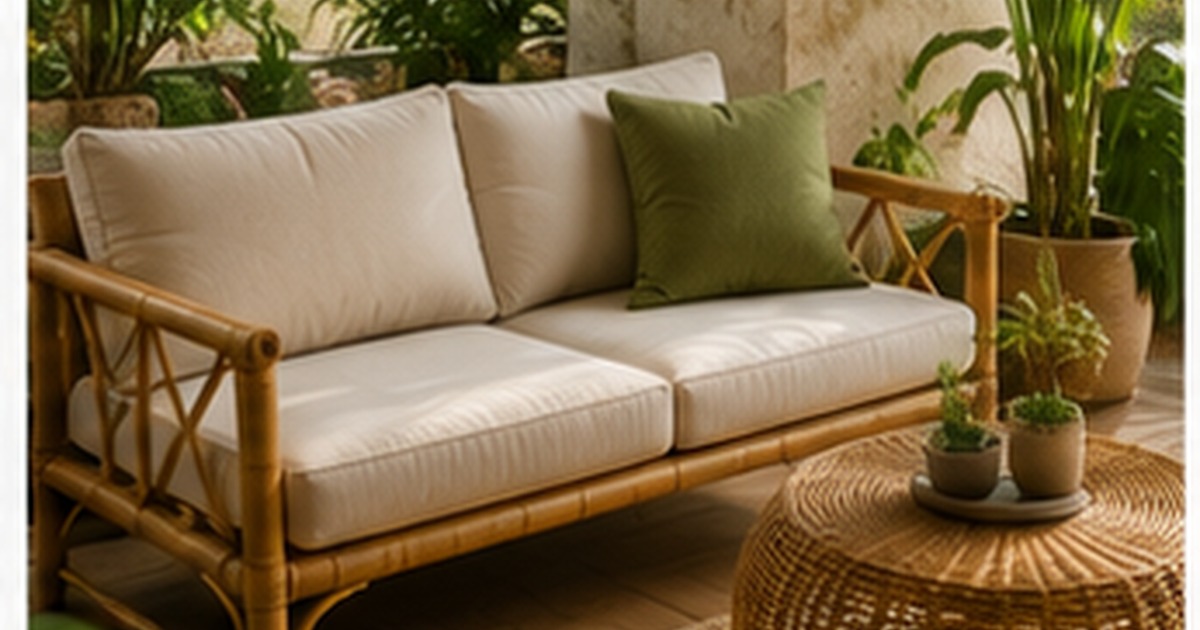
“Sustainable furniture” is everywhere now, plastered on labels and product pages, but the term is slippery and a lot of it is marketing. Some pieces marketed as eco-friendly are genuinely better choices; others are ordinary furniture with a green sticker and a higher price. Buying more sustainably is a worthwhile goal, but it helps to cut through the greenwashing and focus on what actually reduces the environmental impact of your furniture. The good news is that the most sustainable choice is often also the most sensible one for your wallet. Here is how to buy furniture more sustainably, without being fooled by the label.
What “sustainable furniture” really means
At its heart, sustainability in furniture is about reducing impact across the whole life of a piece: the materials and how they are sourced, how it is made and transported, how long it lasts, and what happens at the end of its life. A single green label rarely captures all of that. A genuinely sustainable piece tends to use responsibly sourced or recycled materials, be made to last, and be repairable or recyclable, rather than simply carrying a vaguely eco-sounding name. Keeping the whole lifecycle in mind is what separates a real improvement from a marketing claim, and it stops you paying extra for a label that changes nothing.
Durability is the real sustainability
The single most sustainable thing you can do is buy furniture that lasts, because the biggest environmental cost is making and discarding pieces. A well-built piece you keep for twenty years is far greener than three “eco” pieces that fall apart and go to landfill, regardless of the labels on them. This is why durability matters more than almost any certification, and why learning to spot well-made furniture is itself a sustainability skill. Buying less, but better, and keeping it longer beats chasing green credentials on disposable furniture every time.
Materials and where they come from
Materials vary in their impact, and a few signals are genuinely meaningful.
- Responsibly sourced solid wood from well-managed forests is durable, repairable, and renewable, a strong sustainable choice when certified.
- Recycled and reclaimed materials, reclaimed wood, recycled metal or plastic, reduce demand for new resources and often have character.
- Engineered woods vary widely; some use recycled content and low-emission glues, others off-gas more, so the specifics matter.
- Locally made furniture cuts transport impact and is often easier to verify and repair.
How a material performs over time matters too, our guide to solid wood, engineered wood, and metal covers which choices last, and lasting is the greenest quality of all. The same durability-first thinking applies outdoors, where our guide to outdoor furniture materials shows which survive sun, rain, and frost.
Certifications worth trusting
Labels can help, but only some carry real weight, and the rest add confusion. Recognised, independent certifications, such as those for responsibly managed forests or for low chemical emissions, are more trustworthy than vague in-house claims like “eco” or “green” with nothing behind them. Be sceptical of impressive-sounding language that is not backed by a recognised standard, which is the classic shape of greenwashing. When a claim is specific and independently certified, it means something; when it is a fuzzy adjective on the packaging, it usually does not. Look past the marketing to whether the claim can actually be verified.
Beyond buying: keep, repair, rehome
Sustainability does not end at the checkout; how you treat furniture afterward matters as much as what you buy. Caring for pieces so they last, repairing rather than replacing when something breaks, and rehoming furniture you no longer need, selling, donating, or passing it on, all keep furniture in use and out of landfill. Buying second-hand or vintage is one of the most sustainable options of all, giving good furniture another life for less money. The greenest furniture is usually the piece that already exists and keeps being used, so maintaining, repairing, and rehoming are as important as any purchase decision.
A simple sustainable-buying checklist
Cutting through the marketing is easier with a few practical questions to ask before you buy. None of them requires expertise, and together they steer you toward genuinely better choices rather than green-stickered ones.
- Will this last? Build quality and durability are the biggest factor by far, since a piece you keep for decades beats several that are discarded.
- Can it be repaired? Pieces with replaceable parts and solid construction stay in use far longer than sealed, throwaway designs.
- What is it actually made of, and is any claim backed by a recognised, independent certification rather than a vague adjective?
- Could a second-hand, vintage, or locally made piece do the job, often the most sustainable and economical option?
- Do I genuinely need it, or am I replacing something still perfectly usable?
Run a potential purchase through that list and the greenwashing tends to fall away. The pattern that emerges is reassuringly simple: buy less, buy well, keep it long, and pass it on, which is better for the planet and usually for your budget too.
Frequently asked questions
What makes furniture sustainable?
Reduced impact across its whole life: responsibly sourced or recycled materials, low-emission manufacturing, durability, and being repairable or recyclable at the end. No single label captures all of this. The most sustainable furniture is generally well-made and long-lasting, since making and discarding pieces is the biggest environmental cost. Buying less but better, and keeping it longer, is the core of sustainable furniture.
Is “eco-friendly” furniture just greenwashing?
Sometimes. Vague claims like “eco” or “green” with nothing behind them are often marketing, while specific claims backed by recognised, independent certifications, such as responsibly managed forests or low chemical emissions, carry real weight. Be sceptical of impressive language without verification. The genuinely sustainable choice is usually durable, well-made furniture you keep for years, regardless of the label.
Is it more sustainable to buy second-hand furniture?
Generally, yes, buying second-hand or vintage is one of the most sustainable options, because it gives existing furniture another life and avoids the impact of manufacturing something new, usually at a lower cost too. Pairing this with caring for, repairing, and eventually rehoming pieces keeps furniture in use and out of landfill. The greenest piece is often the one that already exists.
How can I make my current furniture last longer?
Care for it and repair rather than replace. Clean and maintain pieces appropriately for their material, deal with spills and minor damage promptly, tighten loose fittings before they worsen, and fix small problems instead of discarding the whole item. Keeping furniture in good condition is the most sustainable and economical thing you can do, since the biggest environmental cost is making and throwing away pieces in the first place, not the day-to-day use in between.

Written by Ankita Roy
Furniture buying editor focused on practical room planning, material checks, and clear decision guidance.
Related furniture guides
Solid Wood, Engineered Wood, or Metal? An Honest Comparison
Solid wood, engineered wood, or metal: how each really performs for strength, looks, cost, and lifespan, so you can match the material…
Sofa Upholstery Explained: Fabric, Leather, and Performance Materials
Fabric, leather, or performance upholstery? How each wears with kids, pets, and daily life, what cleaning each needs, and how to choose…