Outdoor Furniture Materials: What Survives Sun, Rain, and Winter
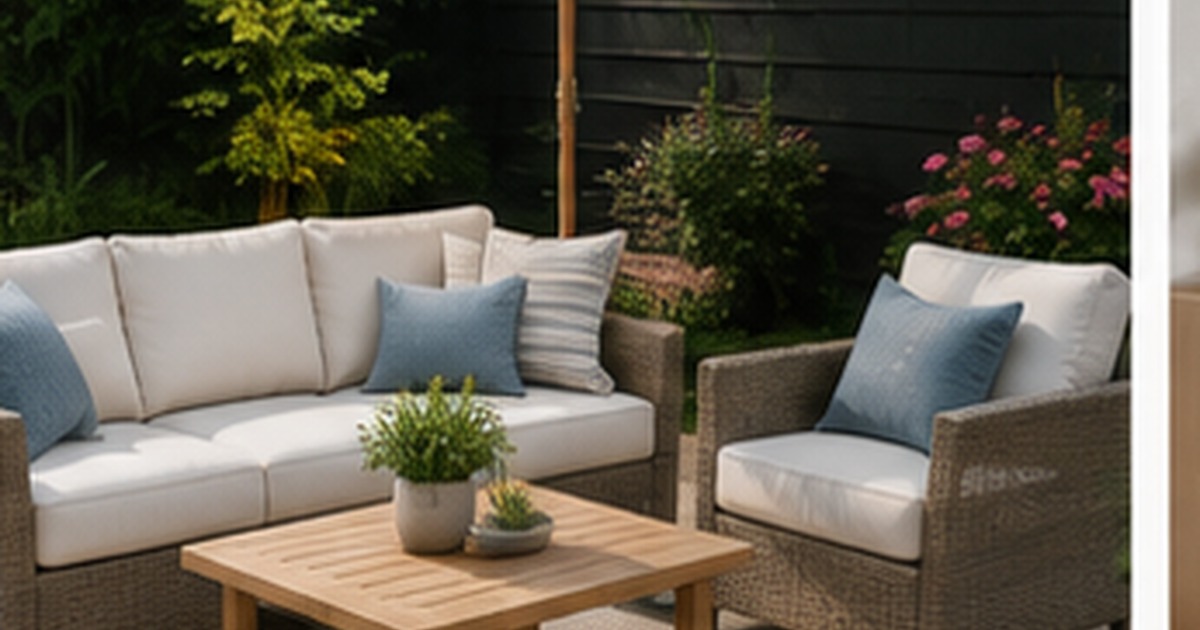
Outdoor furniture leads a hard life. Sun fades and cracks it, rain rusts and rots it, frost splits it, and salt air corrodes it, so the material you choose matters far more outdoors than in. Buy the wrong thing for your climate and you will be replacing a sad, weathered set within a couple of seasons; buy well and care for it a little, and it will look good for years. The right choice depends on your weather, how much maintenance you are willing to do, and where you can store things. Here is an honest look at what each material is really like to live with.
Match the material to your climate first
Before looks or price, think about what your furniture will actually endure. Relentless sun fades fabrics and can crack some plastics; constant rain and humidity rust unprotected metals and rot untreated wood; coastal salt air corrodes aggressively; and hard frosts can damage materials that trap water. A material that thrives in a dry, mild climate may fail quickly in a wet or coastal one. Be honest about your conditions, and about whether the furniture will live out year-round or be stored over winter, because that changes everything.
The main materials, compared honestly
Aluminium
One of the best all-rounders: lightweight, genuinely rust-proof, and low-maintenance, which makes it excellent for wet and coastal climates. It will not rust like steel or iron, and a powder-coated finish resists fading. The main downsides are that it can feel less substantial and, being light, may blow about in strong wind, so heavier pieces or storage matter in exposed spots.
Teak and treated hardwoods
Teak is the premium choice for good reason: naturally oily and weather-resistant, it can last decades and ages to a handsome silvery grey if left untreated. It is heavy, stable, and forgiving, but it is expensive, and keeping its original colour requires occasional oiling. Cheaper hardwoods need more protection and can crack or grey faster if neglected.
Steel and wrought iron
Heavy, sturdy, and stable in wind, iron and steel suit a traditional look and stay put in a storm. The catch is rust: unless well coated and maintained, they corrode, especially in wet or coastal climates, and rust spots are hard to fully cure once they start. Best in drier conditions or with diligent care and a good protective finish.
Synthetic rattan and resin
Modern all-weather synthetic rattan (resin wicker) over an aluminium frame gives the woven look without the fragility of natural rattan, resisting sun and rain well. Quality varies enormously, though: cheap resin becomes brittle and fades or cracks in strong sun within a season or two, so this is a category where buying quality really pays.
Cushions and fabrics
Whatever the frame, the soft furnishings are often the first thing to fail, so they deserve attention. Look for genuine outdoor or performance fabrics designed to resist fading, water, and mildew, rather than indoor cushions pressed into outdoor duty, which quickly fade and grow damp and musty. Even good outdoor cushions last far longer if you store them out of the worst weather and bring them in over winter, so factor in somewhere to keep them.
Caring for it through the seasons
A little care dramatically extends the life of any outdoor furniture, and it is mostly simple. Clean off dirt, pollen, and salt periodically so they do not degrade finishes; oil teak if you want to keep its colour; touch up any scratches in metal coatings before rust takes hold; and use covers or store pieces away during the harshest weather. Bringing cushions and lighter pieces indoors over winter, or storing them in a shed or garage, is the single biggest thing you can do to make a set last, an approach that fits the durability-first thinking in our guide to buying furniture more sustainably. Choosing well-made pieces in the first place, as covered in our guide to materials and durability, means there is something worth caring for.
Storage and getting through winter
How you store outdoor furniture over the off-season often matters more than the material itself. Where winters are wet, frosty, or stormy, getting furniture, or at least cushions and lighter pieces, under cover dramatically extends its life. A shed, garage, or even a covered corner shelters it from the worst, and stacking or folding chairs makes this far easier, which is worth considering when you buy. If indoor storage is not possible, a good-quality, breathable cover protects against the weather while letting moisture escape, since sealed covers can trap damp and cause as many problems as they prevent.
A little end-of-season routine pays off every spring. Clean everything before storing it so dirt and salt do not sit on the surfaces all winter, make sure pieces are dry to avoid trapped moisture and mildew, and treat or touch up any wood and metal that needs it. Furniture that is cleaned, dried, and sheltered over winter emerges ready to use, while a set left out uncovered through the worst months is the one that looks a decade old after just a few years.
Frequently asked questions
What is the best material for outdoor furniture?
There is no single best; it depends on your climate and maintenance appetite. Aluminium is a low-maintenance, rust-proof all-rounder ideal for wet and coastal areas. Teak is premium and long-lasting but pricey. Steel and iron are sturdy but rust without care. Quality synthetic rattan resists weather well. Match the material to your conditions and how much upkeep you will actually do.
Can outdoor furniture stay outside all year?
Some can, but it will last far longer with protection. Rust-proof materials like aluminium and weather-resistant teak cope best with year-round exposure, while iron, cheaper woods, and low-grade resin suffer. Whatever the frame, cushions should come indoors, and using covers or storing pieces over the harshest weather greatly extends the life of any set. Year-round exposure always shortens lifespan.
How do I stop outdoor furniture rusting or rotting?
Choose the right material for your climate, then maintain it: clean off dirt and salt regularly, keep protective coatings intact and touch up scratches before rust spreads on metal, and oil or treat wood as needed. Store or cover furniture in harsh weather and bring cushions indoors. Rust-proof aluminium and naturally durable teak need the least intervention to avoid rot and corrosion.
How should I store outdoor furniture in winter?
Where possible, move furniture, or at least cushions and lighter pieces, under cover in a shed, garage, or covered area, since sheltering it from wet, frost, and storms greatly extends its life. Clean and dry everything first so dirt and damp do not sit on it all winter. If indoor storage is not possible, use a good-quality breathable cover rather than a sealed one, which can trap moisture and cause mildew.

Written by Adarsh Sharma
Furniture buying editor focused on practical room planning, material checks, and clear decision guidance.