Furniture Mistakes People Regret Most (and How to Avoid Them)
Almost everyone has a furniture regret: the sofa that would not fit through the door, the bargain chair that fell apart, the beautiful table that turned the dining room into an obstacle course. The frustrating part is that the same handful of mistakes come up again and again, which means they are entirely avoidable once you know them. None requires expertise to dodge, just a little forethought before you hand over the money. Here are the furniture mistakes people regret most, and the simple habits that stop you making them.
Buying before measuring
The most common and most painful mistake is not measuring properly. People fall for a piece, guess that it will fit, and discover too late that it dominates the room, blocks a walkway, or will not come through the door at all. The fix is simple and free: measure the space, measure the route in (doorways, stairs, turns, lifts), and mark the furniture’s footprint on the floor with tape before buying. This five-minute habit prevents the single biggest source of furniture regret, and it underpins our whole guide to planning a room layout.
Choosing looks over how you actually live
The second great regret is buying for the photo rather than for daily life. A pale linen sofa looks stunning until it meets toddlers and pets; a glass table photographs beautifully and then shows every fingerprint; a low, deep designer chair looks elegant and is agony to get out of. The antidote is to be honest about your real life, who uses the piece, how hard, and how much maintenance you will actually do, and choose accordingly, as our guide to choosing a sofa stresses. Looks matter, but they should not override how a piece performs for the way you genuinely live.
False economies
Buying the cheapest option often costs more in the end, and this is one of the most reliable regrets.
- Very cheap furniture frequently uses weak frames and joints that wobble or fail within a year or two.
- Replacing a poor piece two or three times can cost more than one good piece that lasts.
- Cheap mechanisms (on recliners, sofa beds, drawers) are the first thing to break.
- The savings vanish once you factor in the hassle, disposal, and waste of replacing it.
This is not an argument for always buying expensive, it is an argument for value: judging cost over the years of use, and spending on the pieces that take the most punishment. Knowing how to spot well-made furniture is what lets you avoid the false economy without overpaying.
Ignoring delivery, access, and returns
Plenty of good purchases go wrong at the practical stage. People forget to check that a piece can actually be delivered to the room, sign for damaged goods without inspecting them, or assume they can return something only to find made-to-order pieces are final sale. Each of these is avoidable by thinking past the purchase to the logistics, measuring the route, inspecting before signing, and reading the return policy, all covered in our guide to furniture delivery and assembly. The excitement of buying makes it easy to skip these dull checks, which is precisely why they catch so many people.
Rushing the big pieces
Finally, people regret rushing the decisions that matter most. The big, expensive, long-lived pieces, the sofa, the bed, the dining table, are exactly the ones worth taking time over, yet they are often bought in a hurry under sale pressure or showroom enthusiasm. These are pieces you will live with daily for years, so it is worth sleeping on the decision, measuring twice, and checking the build, rather than being rushed by a “today only” discount. The small, cheap, easily replaced items are where you can afford to be impulsive; the big ones reward patience. Slow down on the pieces that count, and most furniture regret simply never happens.
Forgetting to plan for the future
A subtler regret is buying only for today and ignoring how life changes. People furnish a first flat with delicate pieces, then have children and pets; they buy a tiny table, then start hosting; they choose furniture that cannot move to the next, differently-shaped home. You cannot predict everything, but a little foresight helps: choosing durable, adaptable pieces for the things likely to change, and avoiding furniture so specific to one room that it is useless anywhere else.
This is not about over-thinking a cushion; it is about the big, long-lived pieces. A sofa, a bed, or a table you expect to keep for many years is worth choosing with a glance at where your life might go, more people, more wear, perhaps a different home, rather than only the situation you are in this month. A piece that adapts to changing circumstances quietly saves you from replacing it the moment life shifts.
Frequently asked questions
What is the most common furniture-buying mistake?
Not measuring properly, then buying a piece that does not fit the room or will not come through the door. It is the biggest single source of furniture regret and entirely free to avoid: measure the space and the route in, and mark the furniture’s footprint on the floor before buying. A few minutes of measuring prevents an expensive, frustrating mistake.
Is cheap furniture always a false economy?
Not always, but very cheap furniture often is, because weak frames, joints, and mechanisms fail and need replacing, sometimes costing more over time than one good piece. The smarter approach is value: judge cost over years of use and spend more on the pieces that get the hardest use, like sofas and beds, while being thriftier on items that take little punishment.
How do I avoid regretting a furniture purchase?
Measure the space and access route, buy for how you actually live rather than just looks, judge value over years rather than chasing the lowest price, check delivery and return terms, and take your time over big, long-lived pieces. Rushing and skipping the dull checks cause most regrets, so a little forethought on the major purchases prevents the vast majority of them.
What furniture is worth spending more on?
The big, hard-working, long-lived pieces, sofas, beds, dining tables, and anything with a mechanism, where build quality pays off daily for years and replacement is expensive and disruptive. On occasional, decorative, or short-term items you can spend less without regret. The principle is value over years of use: invest where it counts and economise where it does not, so your budget goes into the pieces you will rely on every day rather than being spread thinly across everything.

Written by Ankita Roy
Furniture buying editor focused on practical room planning, material checks, and clear decision guidance.
Related furniture guides
Leather Sofa Guide: Grades, Aniline Finishes and Real Care
Full-grain, top-grain, split and bonded leather explained, plus aniline versus pigmented finishes, what each costs to live with, and a maintenance routine…
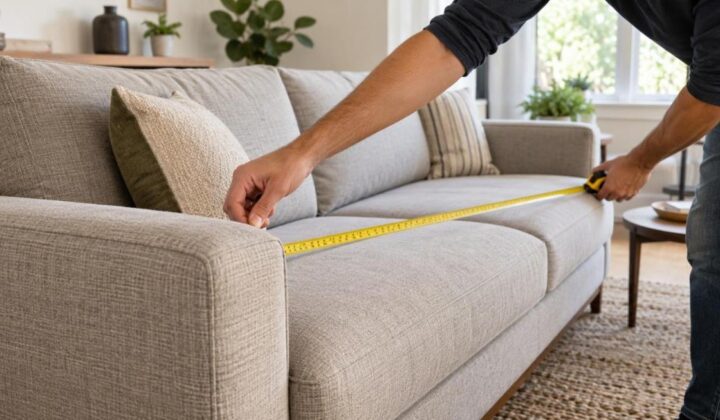
Sofa Dimensions Guide: Measuring Properly Before You Buy
Every measurement that matters: overall size, seat height and depth, arm height, diagonal depth for doorways, and the clearances a room needs…

Good Sofas Under $1000: What You Can Reasonably Expect
What a budget actually buys at this price, which corners get cut, the specifications that separate a three-year sofa from a ten-year…