Living With Power Recliners: Safety, Maintenance, and Real Use
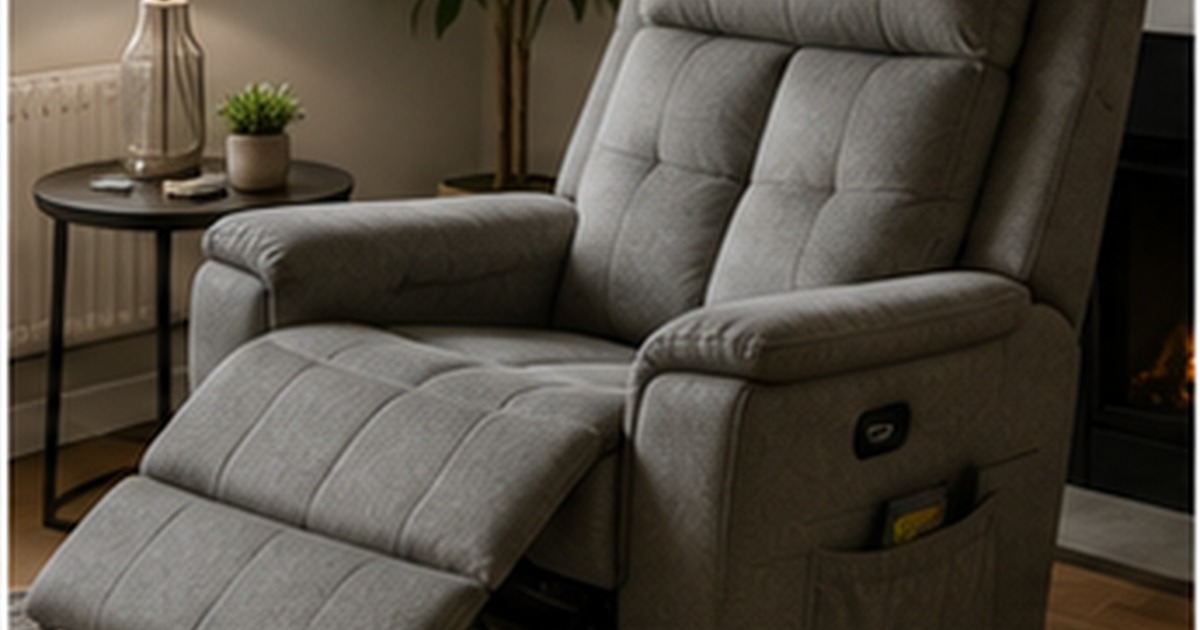
Power recliners and other motorised furniture bring real comfort and convenience, gliding to the perfect position at the touch of a button, which is a genuine help for anyone who finds a manual lever difficult. But adding a motor, moving parts, and electronics to a chair also adds considerations a simple recliner never had: pinch points around children and pets, what happens in a power cut, and maintenance to keep it running. None of this should put you off, but knowing it helps you live with electric furniture safely and avoid the costly repairs and frustrations that catch unprepared owners. Here is what to know.
How power recliners work
A power recliner uses an electric motor to move the footrest and backrest, controlled by a button or remote, instead of the spring-and-lever mechanism of a manual chair. Many plug into the mains, while some use a rechargeable battery pack for placement away from sockets. The appeal is effortless, precise positioning and, often, the ability to stop at any angle rather than a few fixed positions, plus features like powered headrests or lumbar support on higher-end models. The trade-off is that the chair now depends on a motor, wiring, and a power source, which is where the extra care comes in.
Safety around children and pets
The moving parts of any reclining furniture create pinch and entrapment points, and powered movement deserves particular care in homes with young children and pets.
- Keep children from playing with the controls or under the footrest, the gaps that open and close during movement can trap small fingers, paws, or tails.
- Supervise young children around any reclining furniture, and teach older ones not to operate it as a toy.
- Check that pets are not underneath or behind the chair before reclining or closing it.
- Where possible, choose models with controls that are not easily triggered by a curious child, and store remotes out of reach.
This is the same caution that applies to manual recliners, covered in our look at whether recliners are worth it, but the powered movement makes supervision around little ones especially important.
Power, backup, and outages
A practical point people forget: a mains-powered recliner needs a working socket and, in a power cut, may be stuck in whatever position it is in. For most people that is a minor inconvenience, but for someone who relies on the chair to get up, being stuck reclined during an outage matters. This is why many power recliners include, or offer, a battery backup that can return the chair to an upright position when the mains is off, well worth having if the user depends on the chair for mobility. Plan the chair’s placement around a socket, keep the cable tidy and protected, and consider backup power if reliability is important.
Maintenance and avoiding costly repairs
The motor and mechanism are the parts that fail on electric furniture, so a little care prevents expensive problems. Operate the chair gently rather than forcing it, do not overload it beyond its weight rating, and keep the mechanism clear of crumbs, coins, and debris that can jam it. Check the cables and connections periodically for wear, especially in homes with pets that might chew them. Before buying, ask about the warranty on the motor and electronics and the availability of replacement parts, because a repairable chair lasts far longer than one where a failed motor means scrapping the whole thing, the same buy-to-last thinking in our guide to smart desks.
Is a power recliner right for you?
A power recliner is genuinely worth it for anyone who finds a manual mechanism hard to operate, wants precise positioning, or values the added features, and for whom effortless comfort outweighs the extra cost and complexity. If you are able-bodied, happy with a lever, and prefer fewer things that can break, a quality manual recliner is simpler, cheaper, and has nothing to plug in or maintain. Either way, treat a power recliner as electric furniture: place it sensibly, supervise around children and pets, maintain the mechanism, and check the warranty, and it will give years of comfortable, safe service.
Choosing a quality power recliner
Because the motor and mechanism are what fail, build quality matters even more on a power recliner than on a manual one. In the showroom, operate it through its full range several times, the movement should be smooth, quiet, and steady, with no juddering, grinding, or hesitation, and the chair should feel solid and stable at every position rather than flexing or creaking. A cheap mechanism that feels rough now will only deteriorate, and replacing a motor can cost a large fraction of the chair’s price.
Ask the questions that reveal long-term value: what the warranty covers on the motor and electronics, how long it lasts, and whether replacement parts and servicing are available. A reputable maker that supports repairs is worth more than a bargain chair destined for the tip the day its sealed motor dies. The same buy-to-last logic from our guide to whether recliners are worth it applies doubly once electronics are involved: spend on the mechanism and the warranty, not the styling.
Frequently asked questions
Are power recliners safe around children and pets?
They can be with care. The moving footrest and backrest create pinch and entrapment points, so keep children from playing with the controls or under the chair, supervise young children, check that pets are not underneath before reclining, and store remotes out of reach. Choosing models whose controls are not easily triggered by a curious child adds protection. The risks are manageable but real, so supervision matters.
What happens to a power recliner in a power cut?
A mains-powered recliner may be stuck in its current position during an outage, a minor inconvenience for most but a real problem for someone who relies on the chair to get up. Many models offer a battery backup that returns the chair upright when the mains is off, which is well worth having if the user depends on the chair for mobility. Plan placement around a reliable socket.
How do I maintain a power recliner?
Operate it gently, stay within its weight rating, and keep the mechanism clear of crumbs, coins, and debris that can jam it. Periodically check cables and connections for wear, especially with pets around. Confirm the warranty on the motor and electronics and that replacement parts are available, since a repairable chair lasts far longer than one scrapped because a sealed motor failed. Gentle, regular care prevents most costly repairs and keeps the chair working smoothly for years.

Written by Adarsh Sharma
Furniture buying editor focused on practical room planning, material checks, and clear decision guidance.
Related furniture guides
Smart Beds: What the Tech Actually Does, and Whether It’s Worth It
Adjustable bases, sleep tracking, climate control: what smart-bed features really deliver, where they fall short, and whether the tech justifies the price.
Smart Desks: The Features Worth Paying For and the Gimmicks to Skip
Which sit-stand and smart-desk features genuinely help your workday and which are marketing fluff, plus what to check so the tech lasts…