Sofa Colour Trends 2026: What Is Actually Selling
Furniture trends move slowly because the purchases are expensive and infrequent. A colour that appears in magazines this season takes two to three years to show up in mainstream showrooms, and by then it may already be on the way out in design circles. The useful question is which of this year’s directions are rooted in something durable.
Where things stand
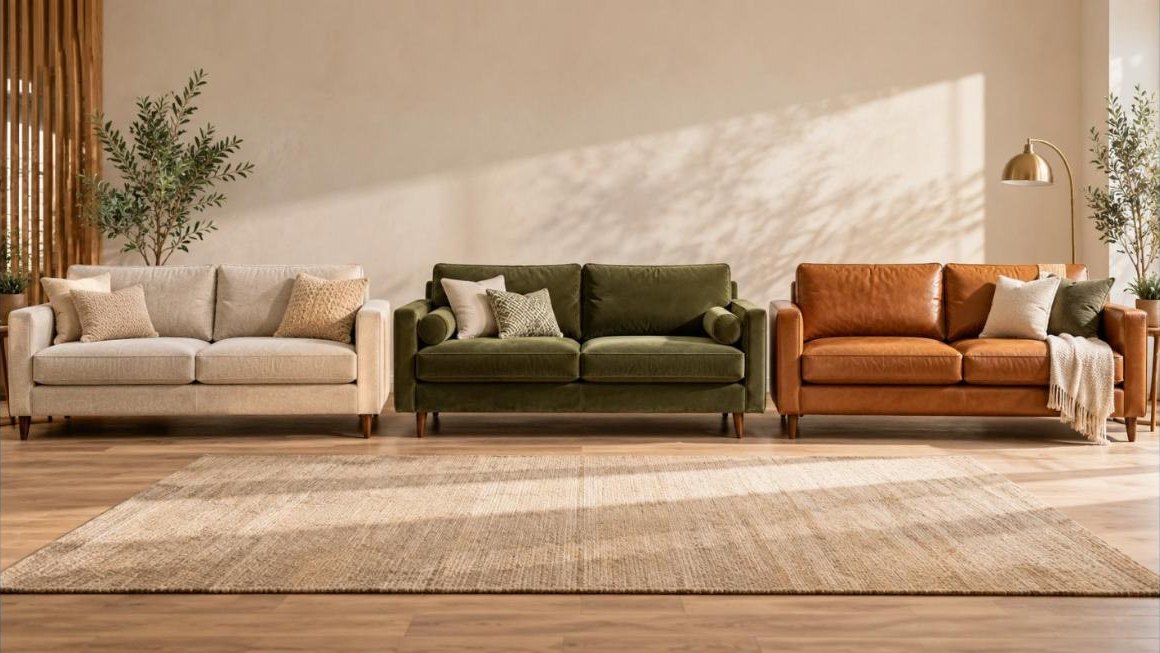
The long grey era is genuinely ending in new purchases, though grey remains the single largest category by volume because of its safety. What is replacing it is not one colour but a warmer, earthier family: clay, caramel, olive, mushroom and warm off-white. The common thread is that these are all warm neutrals rather than cool ones, and they photograph well in the natural-light interiors people are drawn to.
The directions gaining ground
Warm neutrals. Oatmeal, mushroom, greige and sand. These are doing the job grey did, with less coldness. They are the lowest-risk choice available right now and will date slowly.
Caramel and cognac. Particularly in leather. A cognac leather sofa is arguably the most durable style choice in the category, because it has been in and out of fashion for sixty years and always returns.
Olive and sage. Muted greens have moved from accent to main furniture colour. Olive is the more durable of the two; sage is softer and more tied to the current moment.
Terracotta and clay. Warm, earthy and flattering in low light. Stronger commitment than olive but still a natural pigment family, which tends to age better than synthetic-feeling brights.
Deep blues and petrol. Still strong, still safe. Navy has effectively graduated to neutral status.
Chocolate brown. The genuine surprise of recent seasons, back after decades out. Rich, warm and practical. Whether it lasts is uncertain, but brown is a natural tone and historically returns rather than disappearing.
The directions fading
Cool mid-grey as a primary sofa colour is in clear decline. All-white boucle, the defining look of the last few years, is retreating because people discovered how it behaves in a real home. Very pale blush is softening into clay and caramel. And the all-neutral, no-contrast room is giving way to schemes with at least one saturated element.
How to use a trend without regret
Separate the permanent from the changeable. The sofa frame and cover are permanent; cushions, throws, rugs, art and paint are changeable. Put the trend in the changeable layer and keep the permanent layer in something that has survived multiple cycles.
By that test, the durable sofa colours are: warm neutral, navy, cognac leather and olive. The riskier ones are terracotta, chocolate and anything strongly saturated. That does not mean do not buy them. It means buy them knowing you are making a style decision rather than a safe one, and buy them in a quality that justifies keeping them through a cycle.
The pattern question
Patterned sofas are returning slowly, mostly in small-scale textures and stripes rather than large florals. A patterned sofa dates faster than a plain one and is harder to style around. If you want pattern, a plain sofa with a patterned rug or chair gives the same effect with a fraction of the risk.
Texture is the real trend
Across every palette, the strongest current direction is not a colour at all. It is texture: ribbed and corduroy upholstery, heavy weaves, chenille, and brushed finishes. These add interest without colour commitment and are the easiest way to make a neutral sofa look current. A ribbed oatmeal sofa reads as contemporary in a way that a flat oatmeal sofa does not, and it will still read well in five years.
Practical advice
If you replace your sofa roughly every five years and enjoy changing your interior, buy the colour you love now. If this sofa needs to last ten to fifteen years, buy a warm neutral, a navy or a cognac leather, choose an interesting texture rather than an interesting colour, and spend the trend budget on cushions and a rug.
And order swatches regardless of what any trend report says, including this one. Colours behave differently in your room than in a photograph, and the shade that suits your light will always outperform the shade that suits the season.

Written by gautam995576@gmail.com
Furniture buying editor focused on practical room planning, material checks, and clear decision guidance.
Related furniture guides
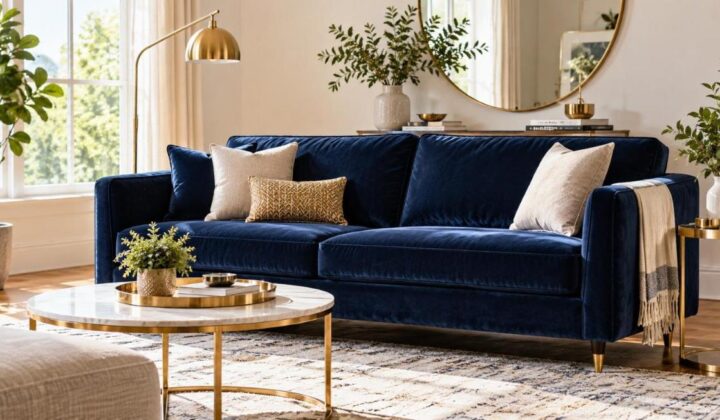
Blue Sofas: The Safe Bold Choice
Navy, teal, dusty blue and cobalt behave very differently in a room. How to pick the right shade for your light, and…
Sofa Clearance Sales: Timing, Real Discounts and Red Flags
When furniture actually goes on sale, how to tell a genuine clearance from an inflated list price, and the terms that make…
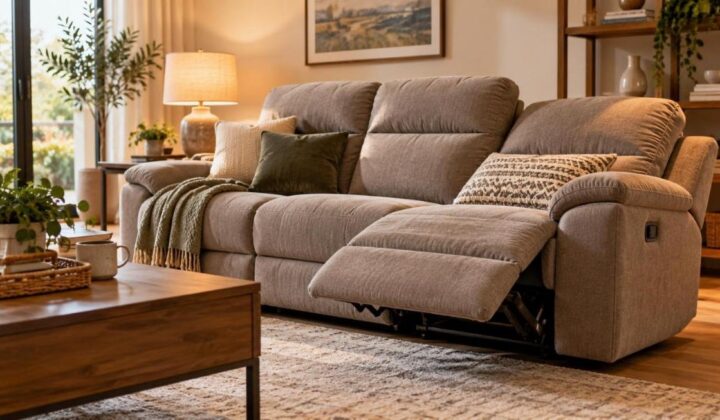
Recliner Sofas: Manual vs Power and What Actually Breaks
How reclining mechanisms work, the real failure points, why wall-hugger designs matter in small rooms, and what to check before buying a…