Smart Beds: What the Tech Actually Does, and Whether It’s Worth It
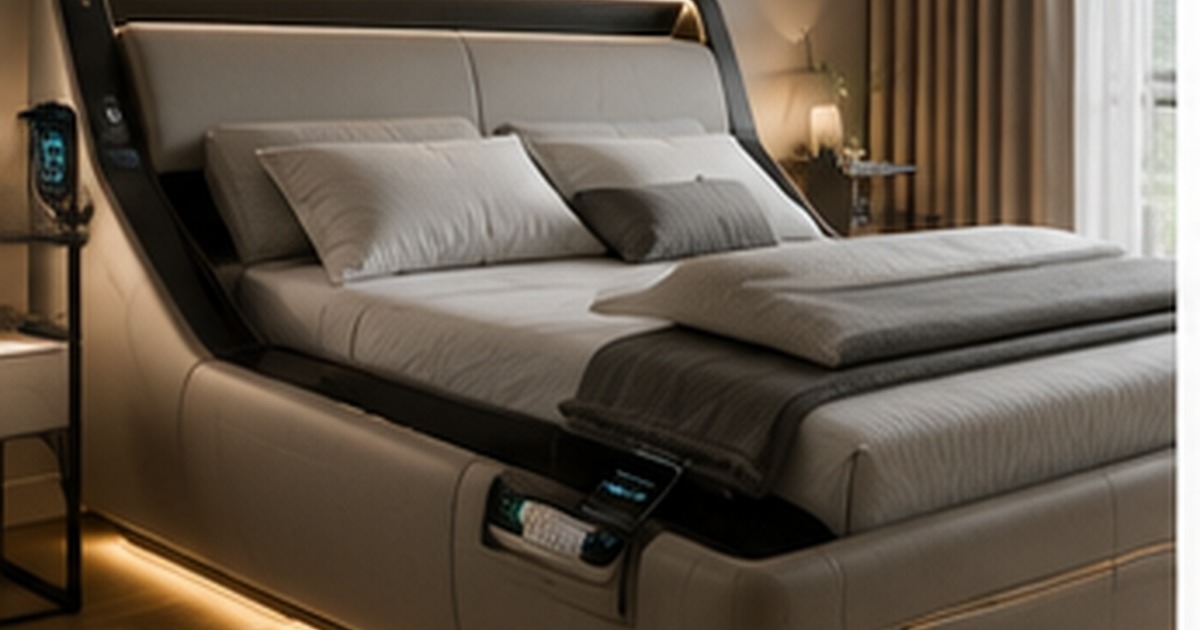
“Smart bed” covers everything from a simple adjustable base to a mattress that tracks your heart rate, warms each side to a different temperature, and nudges you when you snore. Some of this technology is genuinely useful; some is expensive novelty that you stop using within weeks. Because smart beds cost a lot more than ordinary ones, it is worth understanding what each feature actually does before deciding whether the premium is justified for you. Here is a clear-eyed look at the main smart-bed features, what they really deliver, and who they suit.
What “smart bed” actually means
There is no single definition, which is part of the confusion. The term spans a wide range, from adjustable bases that raise your head and feet, through mattresses with built-in sleep tracking, to high-end systems with adjustable firmness and temperature control for each side of the bed. When you see “smart bed”, the first question is always which features it actually includes, because the price and the usefulness vary enormously. Treat it as a menu of separate features rather than one product, and judge each on its own merits.
Adjustable bases
The adjustable base is the oldest and arguably most genuinely useful smart-bed feature. Raising the head and feet can help with reading and watching in bed, snoring, acid reflux, circulation, and getting in and out for those with mobility issues, which is why they are common in care settings. For many people this is a real, daily quality-of-life benefit rather than a gimmick. The trade-offs are cost, weight, and that the base and a compatible mattress must work together, so check that your mattress suits an adjustable base, much as you would match any mattress to its support, as our guide to bed bases and support explains.
Sleep tracking and climate tech
The data-and-comfort features are where usefulness gets more personal.
- Sleep tracking measures things like movement, heart rate, and time asleep. It can be insightful at first, but many people find the data interesting rather than actionable, and a wearable or phone app often does much the same for far less.
- Temperature control that warms or cools each side can be genuinely valuable for hot sleepers or couples with different preferences, a real comfort benefit if that is your problem.
- Adjustable firmness per side lets partners set their own feel, useful when preferences clash, though a well-chosen mattress often solves this more simply.
- Anti-snore adjustment slightly raises the head when snoring is detected; results vary from helpful to gimmicky.
Whether the tech is worth it
The honest answer is that it depends entirely on which feature solves a problem you actually have. An adjustable base is worth it if you genuinely benefit from raising your head or feet; temperature control is worth it if you sleep hot or clash with a partner over warmth; per-side firmness is worth it if you and a partner truly cannot agree. If a feature addresses a real, persistent issue, the premium can be money well spent. But buying a smart bed for features that simply sound impressive, sleep stats you will glance at twice, gadgets you will never use, is how people overpay. Identify your actual sleep problem first, then see whether a particular feature solves it, rather than buying the technology and hoping.
Do not forget the basics
No amount of technology compensates for a mattress that does not suit you or a frame that creaks, so the fundamentals still come first. A comfortable, well-matched mattress on a sturdy, well-built frame, as covered in our guide to what makes a bed frame last, does more for your sleep than any feature list. Think of smart features as additions to a good bed, not substitutes for one; a high-tech bed built on a poor mattress is still a poor bed. Get the basics right, then add the technology that solves a problem you genuinely have.
Living with an adjustable bed
If you do go for an adjustable base, a few practical points make it work better day to day. Leave a little clearance around and above the bed so the moving parts have room and bedding does not bunch or catch as it lifts; tight built-in headboards and footboards can interfere with movement. Use fitted sheets and bedding designed to flex, since standard tucked-in sheets pull loose every time the base bends. And place the control where you can reach it easily but a child cannot play with it.
Maintenance is light but worth doing: keep the mechanism clear of bedding and stray items, check the power connection occasionally, and operate it gently rather than forcing it. As with any motorised furniture, ask about the warranty on the motor and the availability of parts before buying, because a base you can repair lasts far longer than one scrapped over a single failed component. Treated sensibly, a good adjustable base is one of the more genuinely useful pieces of smart furniture you can own.
Frequently asked questions
Are smart beds worth the money?
Only if a specific feature solves a real problem you have. An adjustable base is worth it for reading in bed, snoring, reflux, or mobility; temperature control for hot sleepers or mismatched couples; per-side firmness for partners who cannot agree. Buying for features that merely sound impressive is how people overpay. Identify your actual sleep issue first, then judge whether the technology addresses it.
Is sleep tracking in a smart bed useful?
It can be insightful at first, but many people find the data interesting rather than something they act on, and a wearable or phone app often provides similar information for far less money. If you are not going to change your habits based on the data, the built-in tracking is unlikely to justify a higher bed price on its own. It is a nice extra rather than a core reason to buy.
Do smart beds need special mattresses?
Often, yes, particularly adjustable bases, which require a mattress flexible enough to bend with them, typically foam or certain hybrids rather than a rigid innerspring. Temperature and firmness systems may be built into a specific mattress. Always check compatibility, because the base, mattress, and any built-in tech must work together, just as any mattress must be matched to its support to perform and last.
Can I add smart features to my existing bed?
To some extent, yes. You cannot turn a standard frame into a full smart bed, but you can add many benefits separately: an adjustable base under a compatible mattress, a clip-on or under-mattress sleep tracker, or a mattress topper with cooling or heating. This piecemeal approach often costs far less than a complete smart bed and lets you add only the features you actually want, rather than paying for a bundle.

Written by Ankita Roy
Furniture buying editor focused on practical room planning, material checks, and clear decision guidance.
Related furniture guides
Smart Desks: The Features Worth Paying For and the Gimmicks to Skip
Which sit-stand and smart-desk features genuinely help your workday and which are marketing fluff, plus what to check so the tech lasts…
Living With Power Recliners: Safety, Maintenance, and Real Use
What to know before living with a power recliner or electric furniture: safety around kids and pets, maintenance, power backup, and avoiding…