How to Create a Dining Space You Actually Want to Use
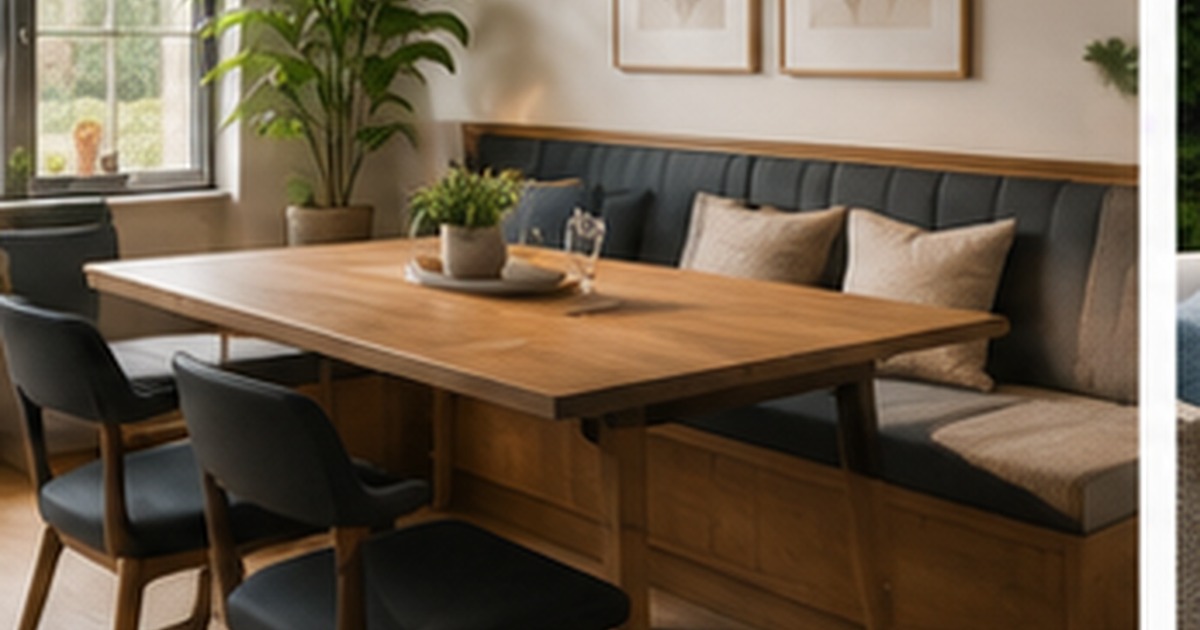
A surprising number of homes have a dining area that barely gets used, the table becomes a dumping ground for post and laptops while everyone eats on the sofa. Often the problem is not the people but the space itself: it is uncomfortable, badly lit, or awkwardly placed, so no one wants to linger there. The encouraging part is that creating a dining space people actually use rarely needs a big room or budget; it needs the right table and seating, decent light, and a layout that feels inviting. Here is how to set up a dining space, large or small, that draws people in.
Make the most of the space you have
You do not need a dedicated dining room to have a proper dining space; you need a defined spot that works. That might be a corner of the kitchen, one end of an open-plan living area, a nook by a window, or a fold-down table on a wall. The key is to give the dining area a clear identity rather than letting it bleed anonymously into the room. Even in a tight home, a small table in a well-chosen corner, sized using our guide to choosing a dining table, creates a genuine place to eat rather than a surface that collects clutter.
Seating that fits the room and the table
Comfortable, well-judged seating is what turns a table into a place people stay. Chairs should be the right height for the table, with enough room to sit and rise easily, and comfortable enough that no one is itching to leave after ten minutes. In a small or open-plan space, seating choices can also save room and add flexibility.
- A bench on one side tucks fully under the table when not in use, saving space and seating more in a pinch.
- Stackable or folding chairs store away and come out only when guests arrive.
- A banquette or built-in seat along a wall uses a corner efficiently and feels cosy.
- Mixing a bench with chairs adds character and flexes for different numbers.
Lighting sets the whole mood
Lighting is the most underrated ingredient in a dining space, and the easiest to get wrong. A single harsh overhead light flattens the area and makes it feel like a canteen, while warm, focused light over the table makes it inviting and draws people to gather. A pendant or hanging light centred over the table, hung low enough to light the surface but high enough not to block sight lines, instantly defines the dining zone and makes meals feel like an occasion. Dimmable or warm-toned bulbs let you shift from bright family breakfast to relaxed evening dinner.
Small-space and open-plan dining
In open-plan homes, the dining area has to coexist with the living and cooking zones, so the goal is to define it without walling it off. A rug under the table, a pendant light above it, or a console behind a bench can all mark the dining zone as its own space within the larger room, the same zoning logic from our guide to furnishing a small apartment. In a really small home, a drop-leaf or wall-mounted table that folds away when not needed lets you have a proper dining spot without permanently sacrificing the floor.
Make it a place you want to linger
The final touch is the difference between a space you eat in quickly and one you actually enjoy. Keeping the table mostly clear, rather than a permanent storage surface, is what makes it feel ready to use; a simple centrepiece, a bowl, a small plant, a couple of candles, signals that this is a place for meals, not paperwork. Comfortable chairs, warm light, and a clear, inviting surface together turn a neglected corner into the spot where people naturally gather, which is, after all, what a dining space is for.
Decor that makes meals feel special
You do not need much to lift a dining space from functional to inviting, and the touches that work are simple and inexpensive. A runner or a few placemats define each setting and protect the table; a low centrepiece, a bowl of fruit, a small plant, a couple of candles, adds life without blocking the view across the table or getting in the way of food. Keeping the centrepiece low matters: tall arrangements force people to peer around them, which works against the conversation a dining space is meant to encourage.
Texture and warmth help too. A rug underneath anchors the area and softens the sound; a piece of art nearby or a shelf with a few considered objects gives the zone character. The goal is a space that feels cared for and intentional rather than an afterthought, because people linger longer and gather more readily in a spot that feels welcoming. Small, low-cost touches, refreshed occasionally, keep the dining space feeling like somewhere you want to be.
Frequently asked questions
How do I create a dining space in a small home?
Define a clear spot, a kitchen corner, a nook by a window, or one end of an open-plan room, and give it identity with a rug, a pendant light, or a bench. Choose a table sized to the space, use space-saving seating like a bench or folding chairs, and consider a drop-leaf or wall-mounted table that folds away. A defined, well-lit corner beats a vague surface that collects clutter.
What lighting is best over a dining table?
A pendant or hanging light centred over the table works best, hung low enough to light the surface but high enough not to block sight lines across it. Warm-toned, dimmable bulbs let you shift from bright everyday meals to relaxed dinners. Avoid relying on a single harsh overhead light, which flattens the space and makes it feel like a canteen rather than somewhere to linger.
How do I stop my dining table becoming a dumping ground?
Give the clutter another home and keep the table mostly clear so it feels ready to use, with just a simple centrepiece to signal it is for meals. Comfortable seating and warm lighting make people want to gather there rather than avoid it. A table that is inviting and uncluttered naturally gets used for eating, while a cold, cluttered one becomes a shelf by default.
How do I make a dining area feel cosy?
Warm, focused lighting over the table, a pendant or dimmable warm bulbs rather than a harsh overhead light, does most of the work, making the space feel inviting rather than clinical. Add comfortable seating, a rug to soften the area and anchor it, and a simple low centrepiece. Keeping the table mostly clear so it feels ready to use completes the effect, turning the corner into somewhere people want to linger.

Written by Ankita Roy
Furniture buying editor focused on practical room planning, material checks, and clear decision guidance.
Related furniture guides
Choosing a Dining Table: Size, Shape, and How People Really Eat
How to choose a dining table that seats your people without swallowing the room, covering size, shape, materials, and the extendable-vs-fixed decision.